Most travelers see only a small part of Egypt. Some spend a week at a beach resort in Hurghada, others limit themselves to Cairo and the pyramids, while some take a Nile cruise and return home feeling they have seen the entire country. In reality, Egypt is far more diverse. It is a land of ancient cities, deserts, mountains, coral reefs, oases, historic markets, and regions that feel completely different from one another.
If you have a full month for your journey, you can experience most of what makes Egypt unique. This itinerary begins in Cairo—the country’s main international gateway—and gradually moves through Egypt’s most important regions without constant backtracking. It requires no domestic flights and offers a comprehensive introduction to the country’s many faces.
Week One: Cairo and the Desert
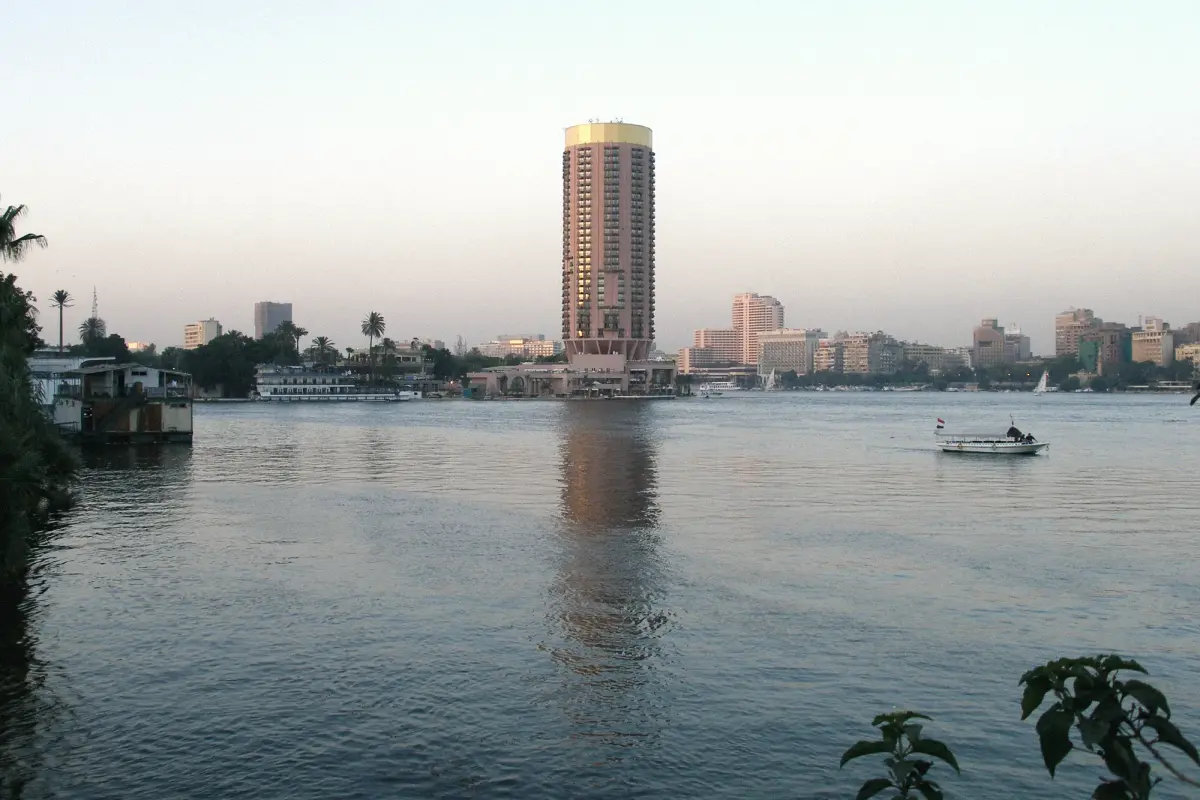
The journey begins in Cairo. One of the largest cities in Africa and the Middle East, Cairo is where ancient history meets modern urban life. Here, you can see the pyramids and the Sphinx, wander through Islamic Cairo, lose yourself among the stalls of Khan el-Khalili Market, and spend hours exploring historic Al-Muizz Street. Cairo helps visitors understand just how layered and complex Egypt’s history truly is.
Places to visit:
- Giza Pyramids
- Great Sphinx
- Islamic Cairo
- Khan el-Khalili Market
- Al-Muizz Street
After the energy and noise of the capital, the route shifts dramatically in mood. The next stop is the White Desert. Cities, roads, and familiar landmarks disappear, replaced by vast open spaces, surreal white rock formations, and a level of silence that is difficult to find anywhere else. Spending a night beneath the stars in the desert becomes one of the most memorable experiences of the entire journey.
Places to visit:
- White Desert
- Black Desert
- Bahariya Oasis
Week Two: Luxor and Ancient Egypt
After the desert, the route continues south to Luxor. It is here that many travelers truly begin to understand the scale of ancient Egyptian civilization. In fact, many visitors leave Luxor feeling even more impressed than they were by the pyramids.
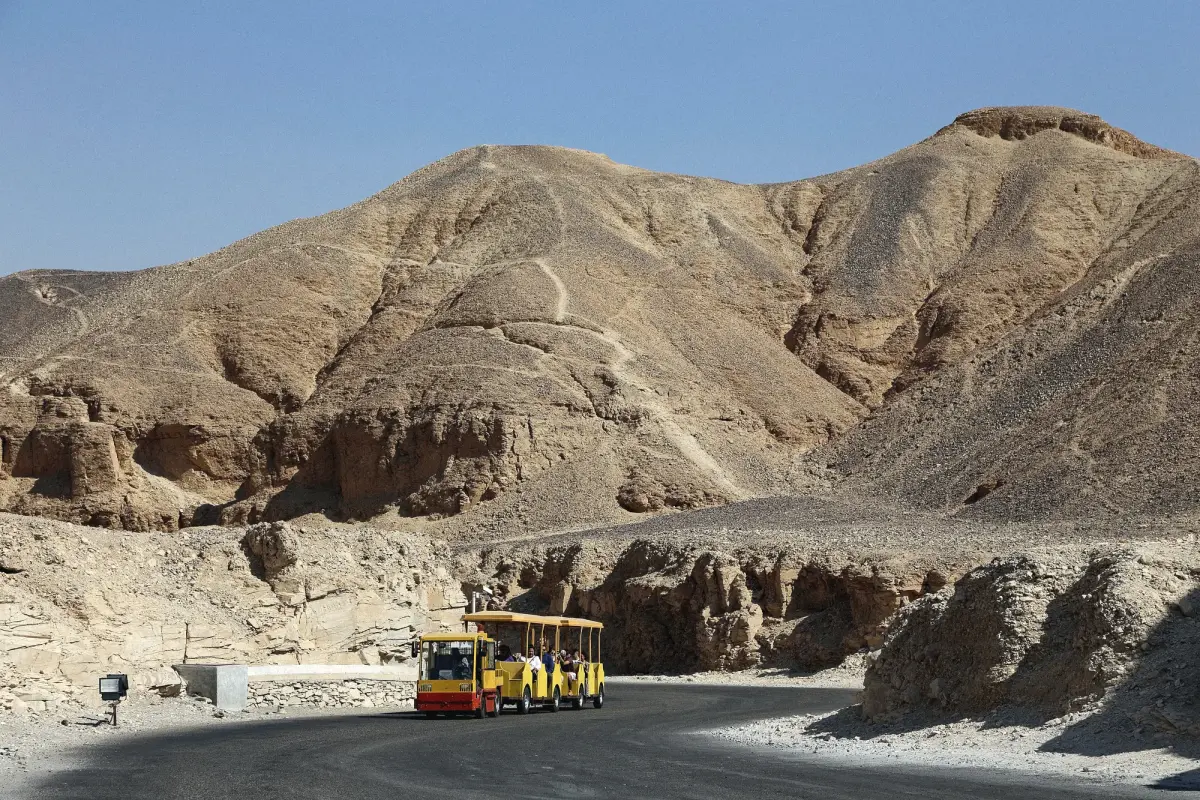
The immense halls of Karnak Temple, Luxor Temple, the Valley of the Kings, and the Temple of Hatshepsut reveal Egypt not as a collection of isolated monuments, but as the remains of one of the greatest civilizations in human history. Luxor deserves several days of exploration and should never be rushed.
Places to visit:
- Karnak Temple
- Luxor Temple
- Valley of the Kings
- Temple of Hatshepsut
This is also where the journey along the Nile begins—the river that has sustained Egypt for thousands of years.
Week Three: The Nile and Aswan
One of the most rewarding ways to experience Egypt is by spending several days on the Nile. During a cruise between Luxor and Aswan, transportation itself becomes part of the adventure. From the deck, travelers can watch villages, palm groves, agricultural fields, and everyday life unfold along the riverbanks.
Along the route are two remarkable temple complexes. The Temple of Horus in Edfu is considered one of the best-preserved temples in Egypt, while the Temple of Kom Ombo is famous for its unusual design and dramatic location overlooking the Nile.
Places to visit:
- Nile cruise
- Edfu
- Temple of Horus
- Kom Ombo
- Temple of Kom Ombo
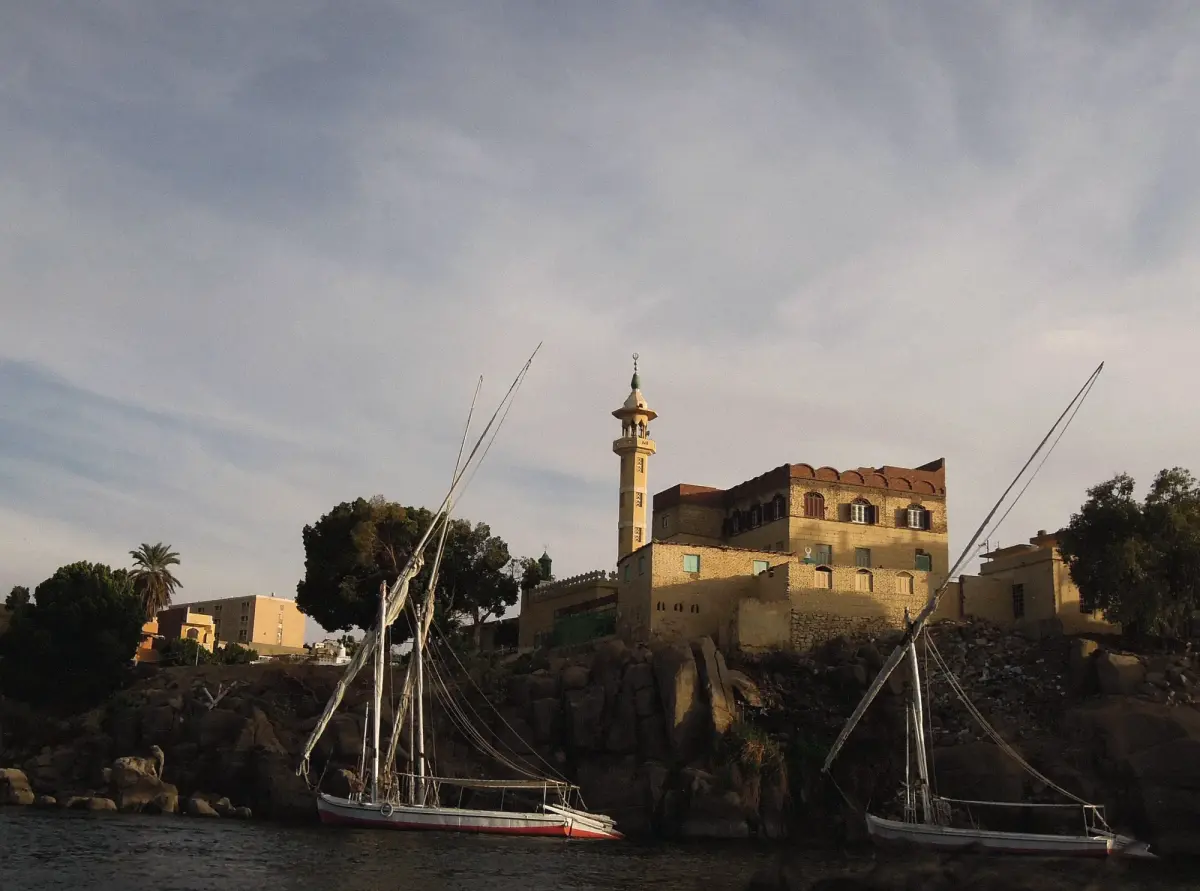
The cruise ends in Aswan, a city with a noticeably different atmosphere from northern Egypt. Here, travelers encounter Nubian villages, brightly painted houses, and a slower pace of life.
Places to visit:
- Aswan
- Nubian villages
- Nile islands
From Aswan, a separate trip to Abu Simbel is highly recommended. The colossal statues of Ramses II rank among Egypt’s most iconic monuments, while the story of relocating the entire temple complex during the construction of the Aswan High Dam makes the site even more remarkable.
Places to visit:
- Abu Simbel
Week Four: The Red Sea and Sinai
After several weeks focused on history and archaeology, the journey gradually shifts toward nature. The first stop is Marsa Alam, one of the best regions along Egypt’s Red Sea coast for snorkeling and marine life.
Here, travelers can explore coral reefs, swim alongside sea turtles, and, with some luck, encounter dugongs—rare marine mammals that few visitors ever get the chance to see.
Places to visit:
- Marsa Alam
- Abu Dabbab Bay
The next destination is Sharm El Sheikh and the southern part of the Sinai Peninsula. Ras Mohammed National Park is one of the most famous snorkeling locations in Egypt and offers yet another perspective on the Red Sea’s underwater world.
Places to visit:
- Sharm El Sheikh
- Ras Mohammed National Park
The perfect way to conclude the journey is in the Sinai Mountains. Many travelers begin their ascent of Mount Sinai during the night so they can watch the sunrise from the summit. As the first light spreads across the desert valleys and mountain ridges, it becomes easy to understand why this experience has attracted visitors for generations.
Nearby stands Saint Catherine’s Monastery, one of the oldest continuously operating monasteries in the world.
Places to visit:
- Mount Sinai
- Saint Catherine’s Monastery
What You Will See in One Month
Over the course of a month, you will experience ancient Egypt, explore the country’s largest city, spend a night in the desert, travel along the Nile, discover Nubian culture, visit Abu Simbel, snorkel among coral reefs, and watch the sunrise over the Sinai Mountains.
Of course, even a month is not enough to see absolutely everything. Egypt is simply too large and too diverse. Yet this itinerary offers an introduction to nearly all of the country’s most important landscapes, cultures, and experiences, revealing a side of Egypt far richer and more complex than most travelers imagine before their first visit.