Most people imagine Egypt in fairly simple terms: the pyramids, the Sphinx, the Red Sea, and all-inclusive resorts. All of these things certainly exist and are worth seeing. But spend a little more time in the country, and it quickly becomes clear that Egypt is far more diverse than the image presented in most travel brochures.
Here, you can explore temples older than many of the world’s most famous civilizations. You can spend a night in the desert, discover the coral reefs of the Red Sea, climb a mountain in the middle of the Sinai Peninsula, travel along the Nile, or find yourself in remote oases surrounded by endless sands.
That is why Egypt is best understood not through a list of cities, but through the experiences it offers.
Step Inside an Ancient Civilization
Egypt is one of the few places on Earth where the ancient world survives not as isolated monuments, but as entire landscapes.
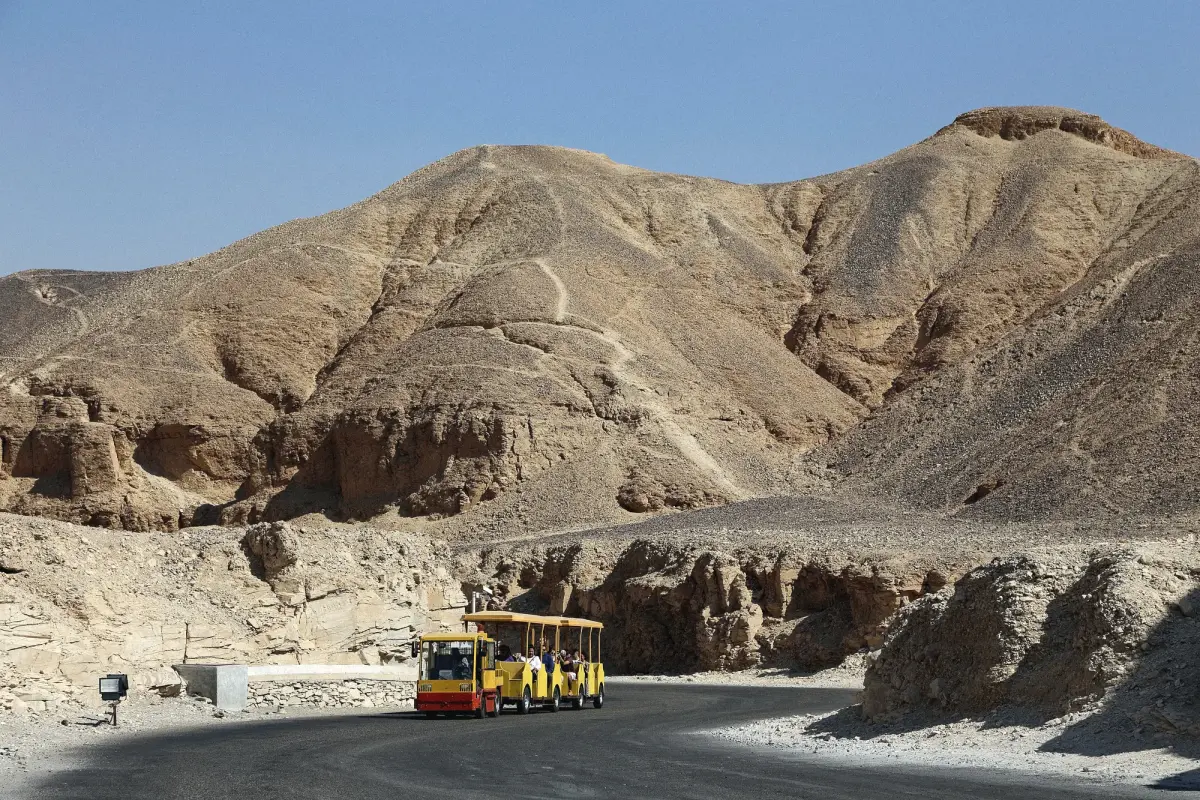
The best place to experience this is Luxor. Here you will find Karnak Temple, Luxor Temple, and the Valley of the Kings. Many travelers arrive for a single day and quickly realize that it is nowhere near enough. The scale of the temples, the number of preserved structures, and the level of detail make it easier to understand the true magnitude of ancient Egyptian civilization.
At that point, the pyramids stop being the country’s only symbol. It becomes clear that Egypt is much larger than one famous archaeological site near Cairo.
Where to experience it:
- Luxor
- Karnak Temple
- Luxor Temple
- Valley of the Kings
Spend Several Days on the Nile
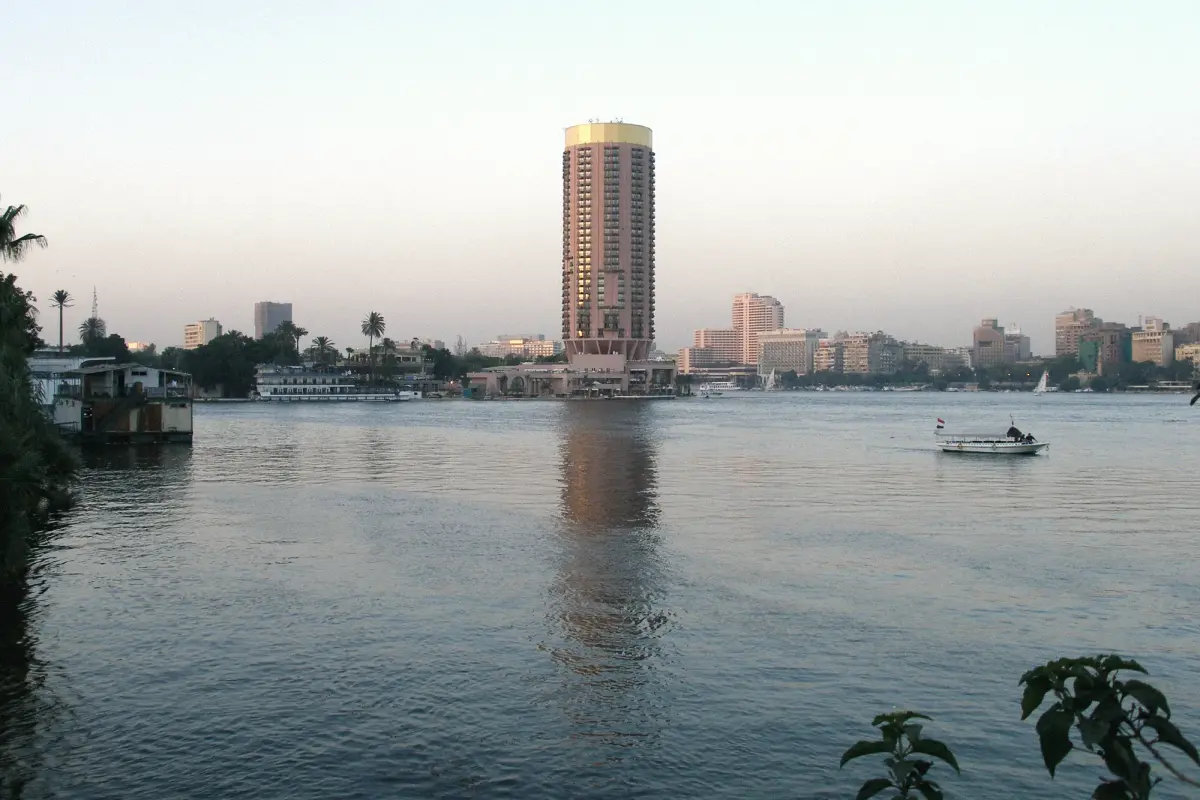
For thousands of years, the Nile served as Egypt’s main highway. Cities grew along its banks, trade flourished, and temples were built beside its waters. Even today, the river remains one of the most important parts of any journey through the country.
One of the most popular ways to experience the Nile is on a multi-day cruise between Luxor and Aswan. As the ship moves through Upper Egypt, passengers can visit ancient sites along the way. Most itineraries include stops near Luxor, Edfu, Kom Ombo, and Aswan.
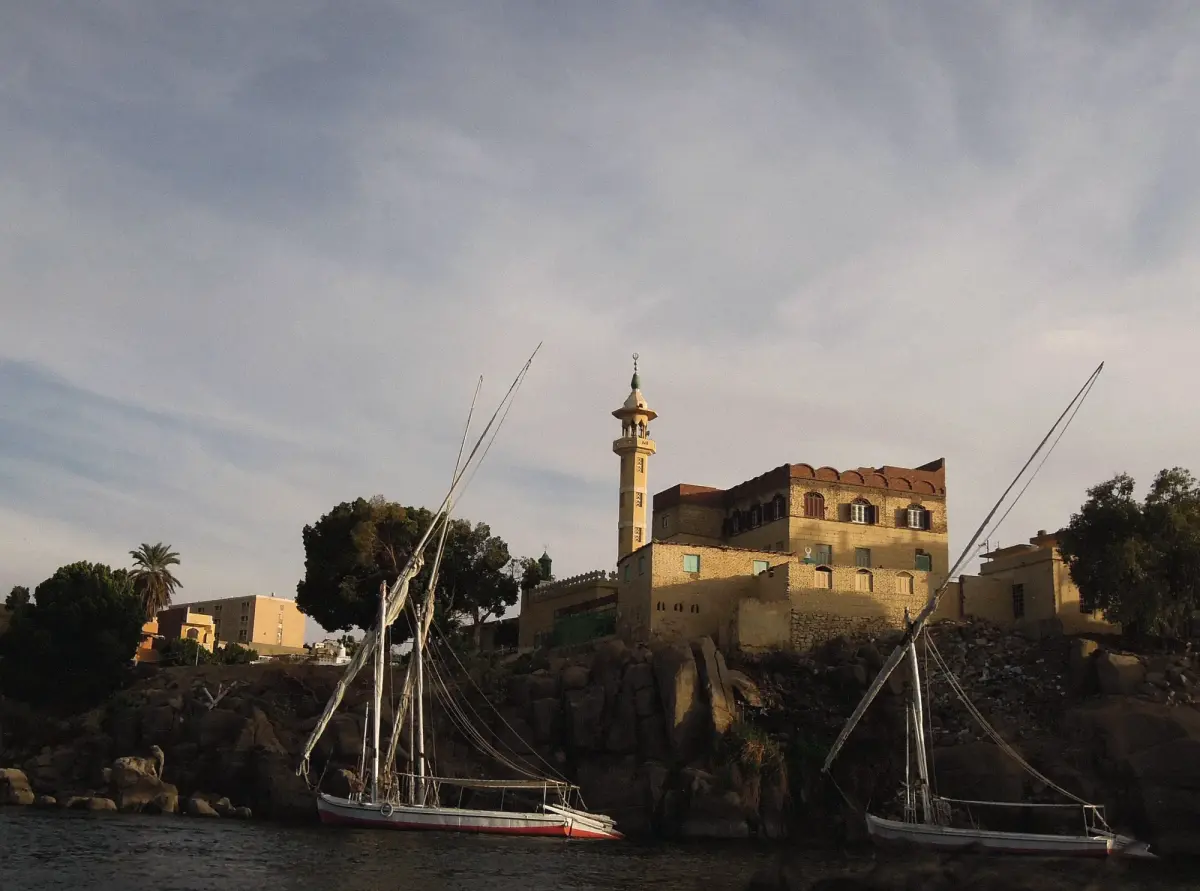
However, exploring the Nile does not require several days. In Aswan, visitors can take a ride on a traditional Egyptian sailing boat. These vessels have been used on the river for centuries and offer a much slower and more intimate experience. Instead of large cruise ships and packed schedules, there is only water, wind in the sails, small islands, and everyday life unfolding along the riverbanks.
Whichever option you choose, the Nile helps explain why Egyptian civilization has been inseparable from this river for thousands of years.
Where to experience it:
- Nile cruise between Luxor and Aswan
- Traditional sailing boat ride in Aswan
See a Desert That Looks Like Another Planet
When people think of deserts, they usually imagine endless sand dunes.
The White Desert completely changes that image.
Strange white rock formations rise from the sand, resembling giant mushrooms, towers, and mysterious sculptures. Some landscapes look so unusual that they seem more like scenes from science fiction than photographs of a real place on Earth.
It is one of the most extraordinary natural landscapes in the Middle East and North Africa.
Where to experience it:
- White Desert
- White Desert National Park
Spend a Night Under the Stars in the Sahara
During the day, the desert impresses with its scale. At night, it becomes a completely different world.
Once the lights of civilization disappear, the sky fills with countless stars. In parts of Egypt’s Western Desert, the number of visible stars is so great that familiar constellations seem to disappear among thousands of bright points of light.
For many travelers, a night in the desert becomes one of the most memorable moments of their entire trip.
Where to experience it:
- White Desert
- Black Desert
- Bahariya Oasis
Discover the Underwater World of the Red Sea
The Red Sea is widely regarded as one of the best places in the world for snorkeling and diving.
Even visitors with no diving experience can see coral reefs, colorful tropical fish, and underwater landscapes usually associated with far more remote destinations.
Sharm El Sheikh, Hurghada, and Marsa Alam offer access to a completely different side of Egypt, one that has little to do with ancient temples or archaeological sites.
Where to experience it:
- Sharm El Sheikh
- Hurghada
- Marsa Alam
- Ras Mohammed National Park
Swim Near Sea Turtles and Dugongs
Most tourists never travel beyond the country’s major resort areas.
Further south, around Marsa Alam, the Red Sea becomes noticeably wilder. Here it is possible to encounter large sea turtles and, occasionally, dugongs — rare marine mammals sometimes known as sea cows.
These encounters can never be guaranteed, but they are one of the reasons this region is especially popular among nature lovers.
Where to experience it:
- Marsa Alam
- Abu Dabbab Bay
Climb a Mountain in the Middle of the Desert
The Sinai Peninsula is usually associated with deserts and coastlines.
Yet it is also home to Mount Sinai, one of the most famous mountains in the region. Many travelers begin the ascent during the night in order to reach the summit before sunrise.
As the first light illuminates the surrounding mountains and desert valleys, it becomes easy to understand why this route has remained popular for generations.
Where to experience it:
- Mount Sinai
- Saint Catherine’s Monastery
Get Lost in the Maze of Old Cairo
Modern Cairo is a vast metropolis. Hidden within it is a completely different world.
Narrow streets, historic mosques, traditional houses, markets, and endless movement create an atmosphere that feels very different from Egypt’s resort towns.
Old Cairo allows visitors to experience Egypt not as an open-air museum, but as a living city shaped by centuries of history.
Where to experience it:
- Islamic Cairo
- Khan el-Khalili Market
- Al-Muizz Street
Discover Nubia
Southern Egypt feels different from the image of the country most travelers know.
Around Aswan, visitors can experience Nubian culture, see brightly painted houses, hear a different language, and encounter traditions that developed separately from those of northern Egypt.
For many travelers, this becomes an unexpected discovery: Egypt contains distinct cultural worlds within a single country.
Where to experience it:
- Aswan
- Nubian villages along the Nile
See a Temple Saved from Flooding
Abu Simbel is impressive not only because of its scale.
During the construction of the Aswan High Dam in the twentieth century, the entire temple complex faced the threat of being submerged. To save it, the monuments were cut into thousands of pieces and relocated to higher ground above the future reservoir.
Today, visitors see not only one of Egypt’s most famous temples, but also the result of one of the largest archaeological rescue operations in history.
Where to experience it:
- Abu Simbel
Relax on the Islands and Beaches of the Red Sea
Many people come to Egypt solely for the sea.
It is easy to understand why. Beyond the well-known resorts, the coastline is home to small islands, sandbanks, coral lagoons, and beaches that feel completely different from the common image of a desert country.
After weeks spent among temples, deserts, and ancient cities, a day by the sea often becomes the perfect way to complete a journey through Egypt.
Where to experience it:
- Giftun Island
- Mahmya Island
- Sharm El Sheikh
- Hurghada
- Marsa Alam
Why Egypt Cannot Be Reduced to a Single Route
Some people come for ancient history. Others dream of exploring the underwater world of the Red Sea. Some are drawn to the desert, while others are interested in Nubian culture or traveling along the Nile.
That is why Egypt is difficult to capture in a single photograph or define through a single city. Beyond the pyramids lies a country capable of offering remarkably different experiences: from archaeological discoveries and nights beneath the stars of the Sahara to coral reefs and ancient temples lining the banks of a great river.
The more you discover Egypt, the less it resembles the Egypt most people imagine before their first visit.