Autumn in South Korea often inspires short trips to the mountains or walks through parks close to home. Yet with more time available, it becomes possible to watch the season gradually change from one region to another.
This route follows the southern part of the country. Its purpose is not to collect as many landmarks as possible or to see every famous destination in a single trip. Instead, it focuses on autumn landscapes, historic settings, temple complexes, and roads that are particularly rewarding to travel during this time of year.
Busan: The Beginning of the Journey
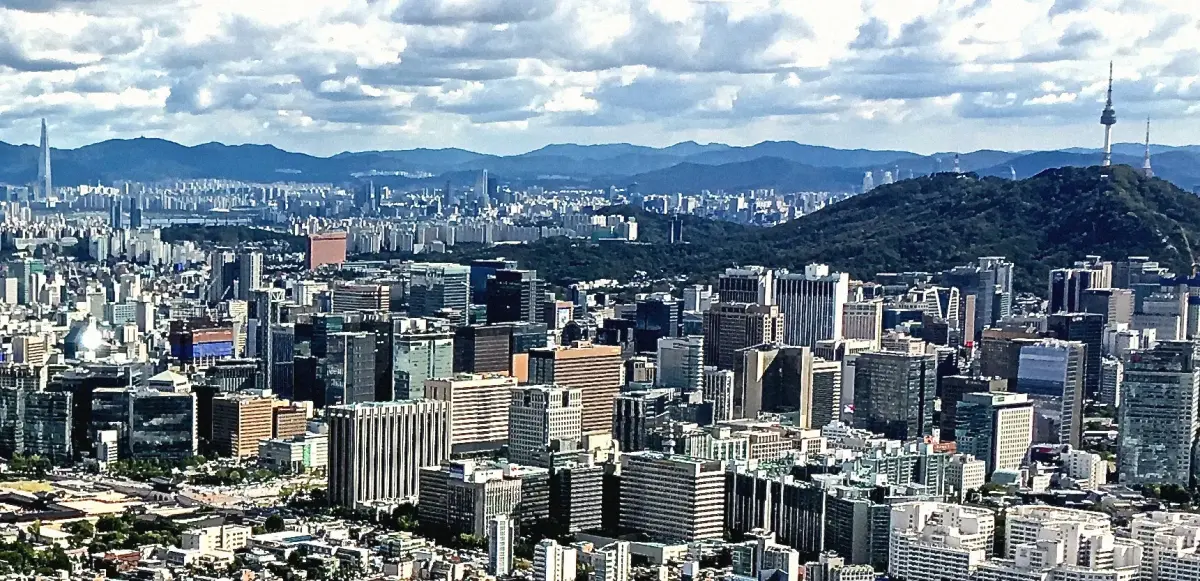
Busan is an ideal place to begin an autumn route through South Korea. It is one of the country’s largest cities, yet during autumn, attention is often drawn beyond the urban landscape itself.
Hills, parks, coastal roads, and elevated neighborhoods reveal how the season gradually transforms the city. Trees appear between modern districts, along walking paths, and around temples built into the surrounding slopes.
Busan also provides a gentle introduction to the journey. Spending a few days here allows travelers to settle into the rhythm of the country before continuing further along the route.
Bulguksa: A Temple Within the Autumn Forest
From Busan, the route continues toward Gyeongju and the temple complex of Bulguksa.
During autumn, the approach to the temple becomes almost as memorable as the site itself. Roads pass through wooded areas while the surrounding hillsides slowly shift in color.
Bulguksa is often known for its stone stairways, bridges, and traditional pavilions. In autumn, however, the surrounding landscape becomes an equally important part of the experience. The temple feels connected to a larger setting where architecture and forest are experienced together.
It is a place that rewards a full day of exploration rather than a brief stop between destinations.
Gyeongju: Autumn Among History
After visiting Bulguksa, the route naturally continues into Gyeongju.
Unlike many other destinations in South Korea, Gyeongju’s historic sites are spread across a broad area and remain woven into the modern city. Ancient burial mounds, pavilions, ponds, and parks form a landscape that is experienced as a whole rather than as separate attractions.
Autumn adds another layer to these surroundings. Walking through the city becomes less about moving between landmarks and more about observing how history and season exist side by side.
Spending several days in Gyeongju allows enough time to experience the city without rushing from place to place.
Damyang: Gardens and Bamboo Groves
The next stage of the route leads southwest to Damyang.
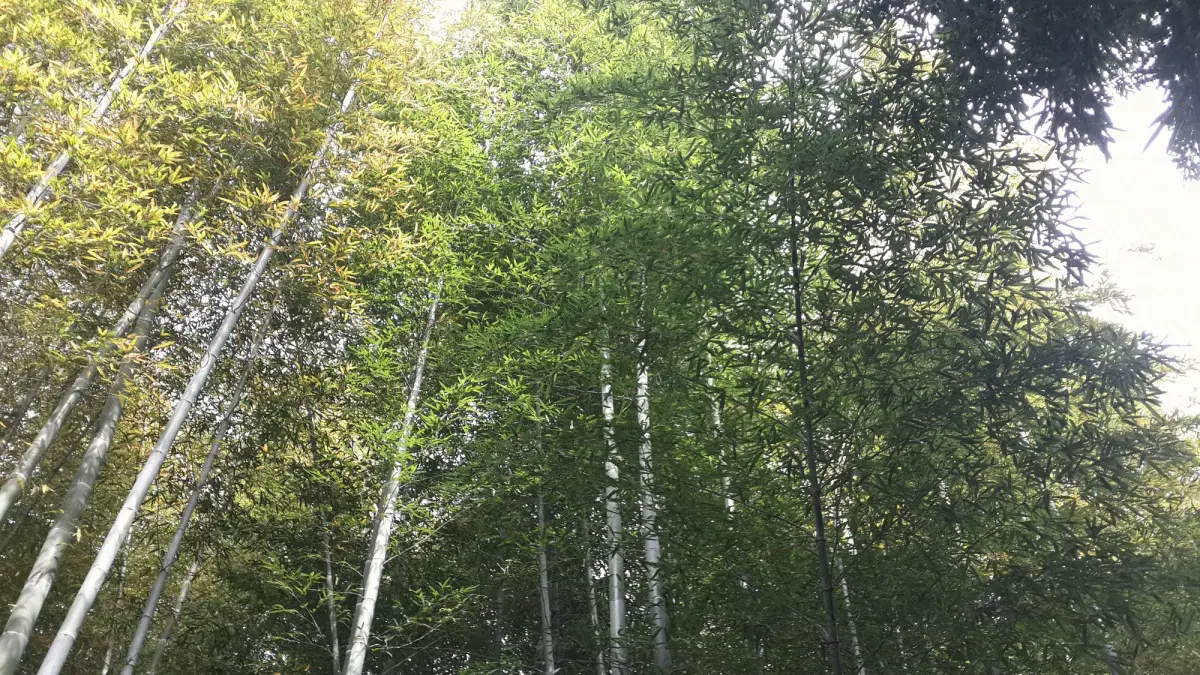
After Busan and Gyeongju, the atmosphere changes noticeably. Large cities and historic complexes give way to gardens, walking paths, and the region’s well-known bamboo groves.
Autumn creates a particularly interesting contrast here. The deep green bamboo remains almost unchanged while the surrounding trees gradually turn shades of gold and red.
Damyang is well suited to slow travel. There is little need to move constantly between sites. Much of the experience comes from the rhythm of walking and the character of the landscape itself.
Naejangsan: The Final Stop
The final major destination on the route is Naejangsan National Park.
During autumn it becomes one of the country’s most visited natural areas, but its appeal extends beyond seasonal foliage.
Trails pass through forests, over bridges, alongside streams, and near temple grounds. As the route unfolds, the perspective changes continuously. At one moment attention is drawn to trees lining the path, and at another to distant mountain slopes or broad sections of the valley.
Naejangsan serves as a fitting conclusion to the journey because it brings together many elements encountered earlier along the route: forests, mountains, roads, and architecture.
How Much Time to Allow
It is best to dedicate between ten and fourteen days to this journey.
Although distances within South Korea are relatively short, autumn travel benefits from having time available. Many of the most memorable moments come not from specific landmarks but from walks, roads, and the freedom to stay longer in places that feel especially rewarding.
Trying to compress the route into only a few days would turn much of the experience into a series of transfers.
Travel Program
Days 1–3: Busan
Explore the city through its hills, parks, coastal districts, and walking routes.
Day 4: Travel to Gyeongju
Leave Busan and begin exploring one of South Korea’s most historic regions.
Day 5: Bulguksa
Spend a full day at the temple complex and in the surrounding forest.
Days 6–7: Gyeongju
Take time to explore the city’s historic landscapes, parks, ponds, and walking routes.
Day 8: Travel to Damyang
Cross the country toward the southwest and settle into a slower pace of travel.
Days 9–10: Damyang
Visit bamboo groves, gardens, and quiet walking paths without a packed schedule.
Day 11: Travel to Naejangsan
Journey through the autumn landscapes of Jeolla Province.
Days 12–13: Naejangsan
Explore forest trails, temple grounds, bridges, and mountain scenery throughout the national park.
Day 14: Departure
Conclude the journey and begin the return trip.