Seoul is so vast and multifaceted that even a month may not be enough to explore all of its neighborhoods, routes, museums, markets, mountains, palaces, and modern districts. The longer a trip lasts, the more often the feeling arises that another Seoul remains beyond the planned itinerary — and beyond that, yet another one. For this reason, getting to know the city rarely ends with a single visit.
A City Within a City
People usually begin to notice the scale of Seoul not immediately after arriving, but several days later. On a map, the city appears unified. In reality, it is made up of districts that differ so greatly from one another that they can sometimes feel like separate cities.
A day might begin among office towers and broad avenues, continue through low-rise residential neighborhoods, and end at a market that has existed for decades with little change despite the growth of the surrounding metropolis.
As you spend more time in the city, it becomes clear that every district has its own rhythm, streets, and daily routines. Because of this, Seoul is difficult to perceive as a single urban space. It often feels more like a collection of cities gathered within one administrative boundary.
Historic Seoul
Despite its skyscrapers and dense development, history remains a visible part of the city. Palaces, old gates, traditional neighborhoods, and streets that preserve traces of earlier centuries can be found throughout Seoul.
What is particularly interesting is that these historical sites are not concentrated in one area. Instead, they are woven into everyday urban life. Between subway stations, office buildings, and residential blocks, visitors unexpectedly encounter palace walls or fragments of the city’s past that have stood here for hundreds of years.
As a result, exploring historic Seoul rarely follows a single route. Different pieces of the city’s history appear in many different districts.
Modern Seoul
If the historic neighborhoods reflect Seoul’s past, the modern districts reveal how quickly the city continues to evolve.
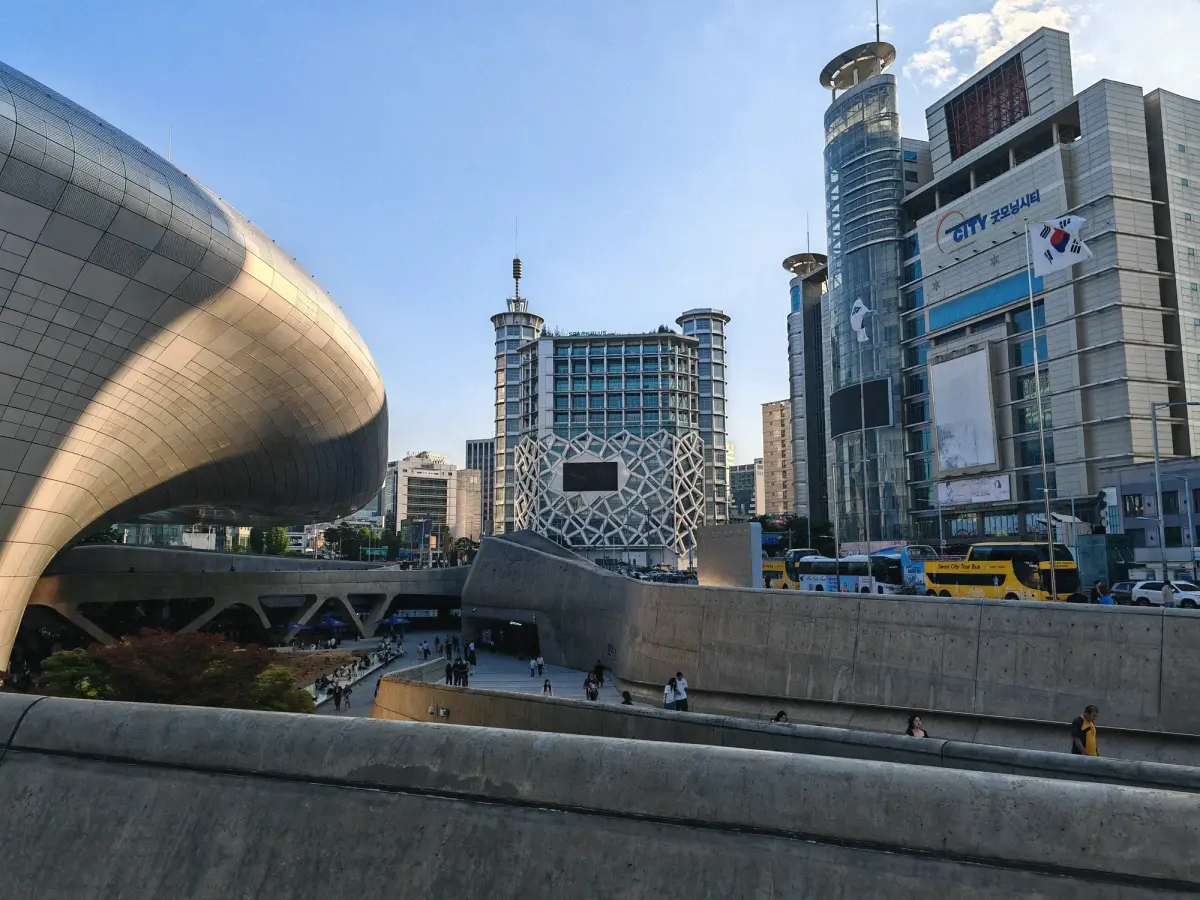
Business districts occupy vast areas, while skyscrapers create entirely new horizons across the urban landscape. New public spaces, pedestrian zones, cultural centers, and mixed-use developments continue to appear.
This transformation is especially visible in the areas south of the Han River. Many of the districts that define Seoul’s contemporary image are located there.
Yet the newer parts of the city do not replace the older ones. Instead, they exist side by side, constantly reshaping the way Seoul is perceived.
Seoul of Cafés, Markets, and Small Streets
At some point, a journey through Seoul begins to move away from famous landmarks.
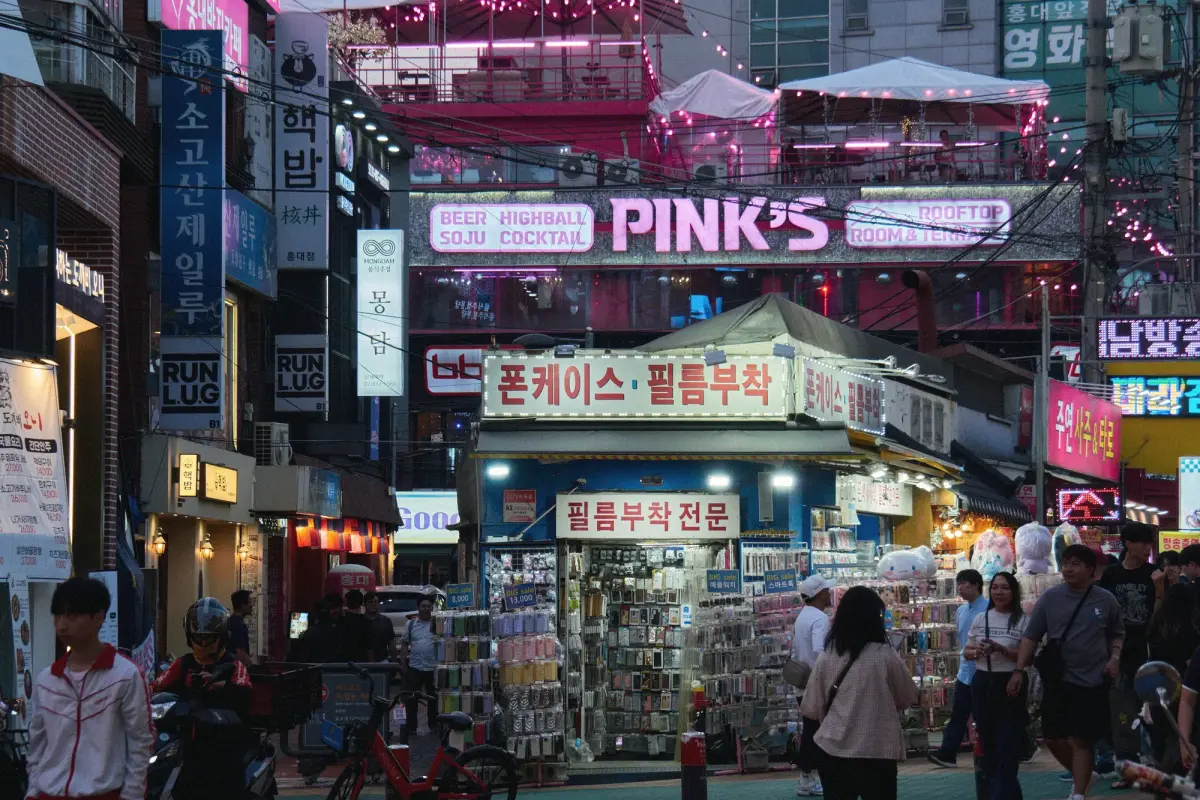
Attention shifts toward neighborhoods that are visited not because of a particular attraction, but because of the atmosphere of the city itself. Small cafés, local markets, narrow streets lined with independent businesses, and districts where residents spend their evenings after work gradually become part of the experience.
These areas often take more time than expected, not because they contain major attractions, but because each street seems different from the last.
The Seoul That Climbs Into the Mountains
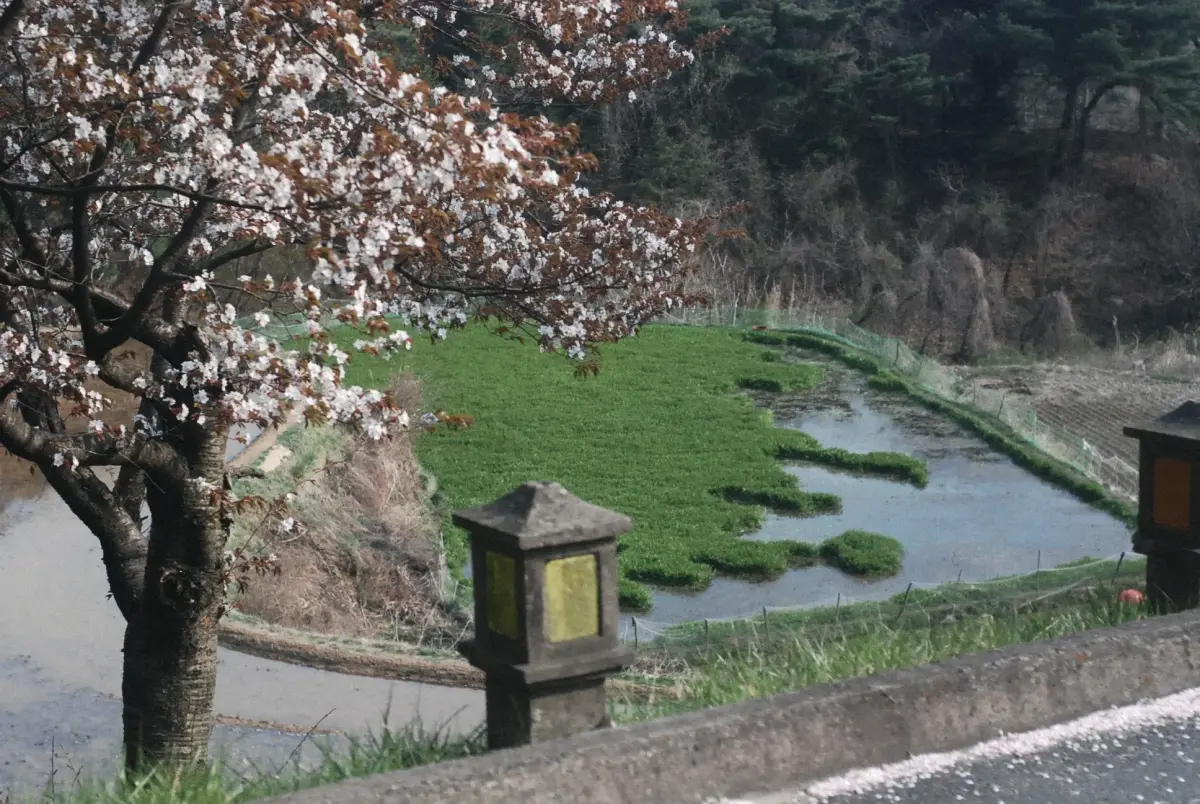
Many visitors are surprised by how closely Seoul is connected to the surrounding mountains.
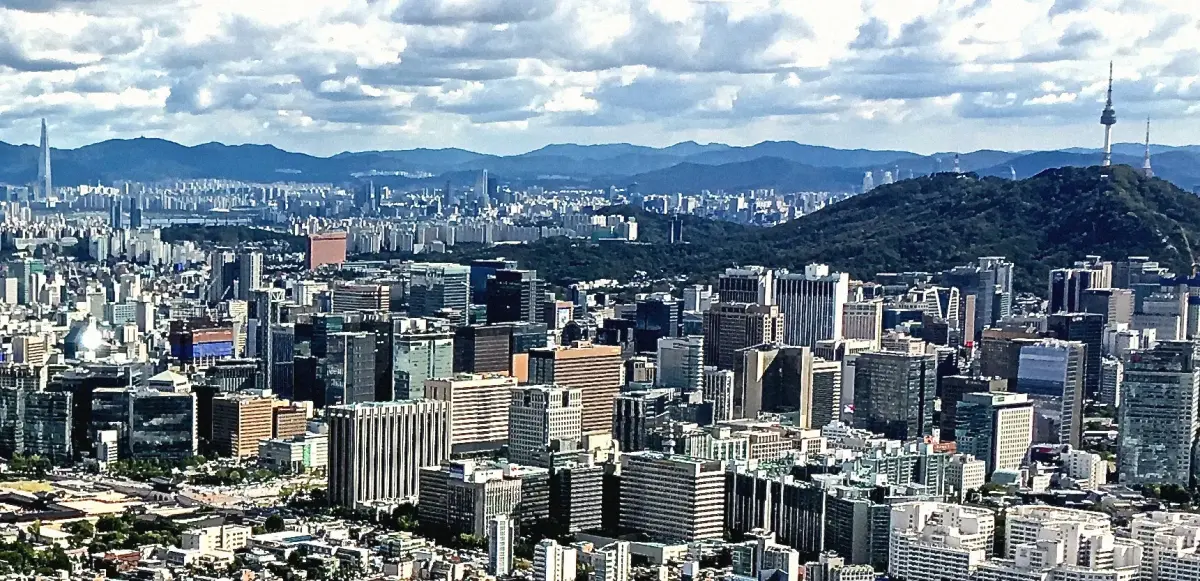
The city contains extensive hiking and walking trails, some of which begin only minutes away from subway stations. An hour after leaving a train, it is possible to be standing on a mountain path overlooking neighborhoods that moments earlier seemed far below within the urban landscape.
The mountains are not separate destinations outside the city. They are part of Seoul’s everyday geography.
Because of this, the city constantly changes scale, shifting from dense urban streets to mountain trails and panoramic viewpoints.
Museums, Galleries, and Places You Never Quite Have Time For
Even a long stay in Seoul rarely provides enough time to explore all of its cultural spaces.
The reason is not simply the number of museums. Temporary exhibitions are constantly opening, new cultural projects appear throughout the city, and independent galleries continue to emerge.
Some are located near well-known attractions, while others are hidden within residential neighborhoods and quiet side streets.
As a result, the list of places worth visiting often grows faster than it shrinks.
Seoul After Dark
When night falls, Seoul does not become quieter. It simply changes.
Some districts gradually empty, while others become more active. Riverfront areas fill with people, night markets open, and lines begin to form outside restaurants and small local establishments.
In many parts of the city, daily life continues well past midnight.
Because of this, nighttime Seoul feels like another layer of the city existing alongside the daytime one.
Why Even a Month Is Not Enough
The reason is not only the city’s size.
Even after spending several weeks in Seoul, it is impossible to experience all of its different routes and layers. A trip can be devoted entirely to historic districts. It can focus on modern architecture, museums, galleries, markets, food culture, mountain trails, or simply moving between neighborhoods and observing how the urban landscape changes.
Each of these approaches could easily become a separate journey.
For this reason, Seoul rarely feels fully explored after a month. More often, that is when a long list of places for a future visit begins to take shape.
Travel Program
Historic Seoul
Spend several days exploring palace complexes, traditional neighborhoods, historic gates, and districts where older architecture has been preserved.
Modern Seoul
Discover business districts, skyscraper areas, contemporary public spaces, and new urban developments.
Local Seoul
Set aside time for markets, side streets, cafés, and neighborhoods that rarely appear in standard itineraries.
Seoul From Above
Explore the city’s mountains and viewpoints to see how the metropolis looks from different elevations.
Seoul in the Evening
Spend several nights in different districts to observe how dramatically the city changes after sunset.
Beyond the Tourist Routes
Leave part of the schedule open for places discovered along the way. These unexpected neighborhoods often become the most memorable parts of a journey through a city as large as Seoul.