Spring in South Korea is rarely defined by cherry blossoms alone.
This is the season when hiking trails begin to fill with people again, flowering trees appear around temples, and parks and riversides gradually change color. In some regions, spring is only beginning, while in others the trees are already covered in blossoms. As a result, traveling across the country during March, April, and May can feel different from one place to another.
Because of this, a spring itinerary in South Korea rarely revolves around a single city or event. Blossoms become just one part of a journey that also includes mountain roads, historic temples, coastal landscapes, and ancient cities.
When Spring Arrives in South Korea
South Korea stretches from south to north, so spring does not arrive everywhere at the same time.
The first signs of the season usually appear on Jeju Island and in the southern regions of the country. From there, flowering trees gradually spread toward Busan, Gyeongju, Daegu, and Seoul. Depending on the region, the difference in blooming periods can be several weeks.
For travelers, this means that a spring itinerary does not have to focus on a single destination. It is possible to move through the country alongside the season itself and observe how the landscape changes from one region to another.
Cherry Blossoms as Part of the Journey, Not the Destination
Many visitors come to South Korea in spring hoping to see cherry blossoms. What makes the experience interesting, however, is how naturally the trees fit into everyday life.
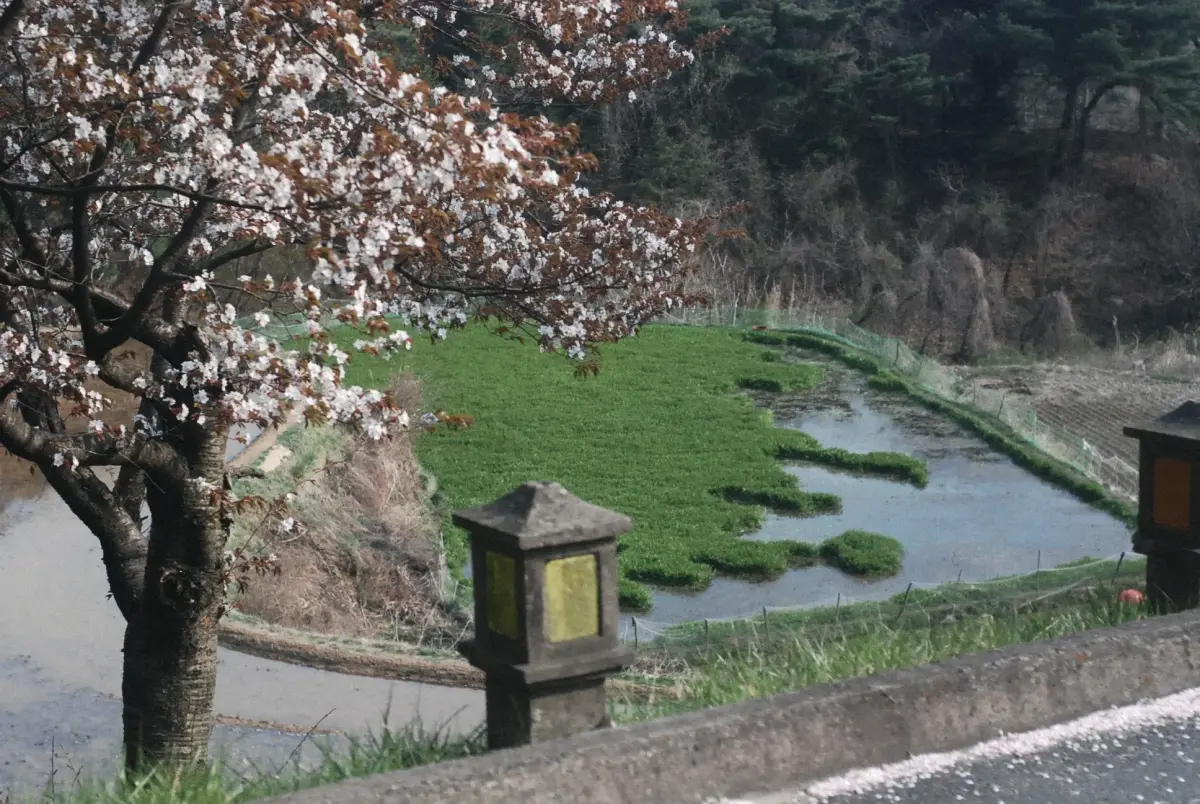
Cherry blossoms appear along rivers, near universities, in parks, on quiet streets, and beside residential neighborhoods. Sometimes a walk to a museum or a temple unexpectedly passes through a blooming avenue that was never part of the original plan.
For this reason, cherry blossoms often become part of the broader travel experience rather than a destination in their own right.
Temples Surrounded by Spring Bloom
During spring, many Buddhist temples find themselves framed by flowering trees.
This is especially noticeable in mountainous regions, where temple complexes are surrounded by forests and hillsides. The roads leading to them pass through landscapes that look completely different in winter.
As the season progresses, stone stairways, wooden pavilions, and temple courtyards become part of a larger spring landscape filled with new colors and details. Spring is therefore one of the most rewarding seasons for exploring South Korea’s temples.
Spring Hiking Trails
For many Koreans, spring marks the beginning of hiking season.
Mountains are located close to nearly every major city. From Seoul, it is easy to reach Bukhansan. On the east coast lies Seoraksan, while Jirisan dominates parts of the south.
Spring is one of the most comfortable times for walking these trails. Winter temperatures have disappeared, but the heat of summer has not yet arrived. It is also a season that reveals how closely mountains are connected to everyday life in South Korea.
On many routes, hikers of all ages can be seen enjoying trails that are part of their regular weekend routine.
Cities That Are Especially Interesting in Spring
Spring looks different in every city.
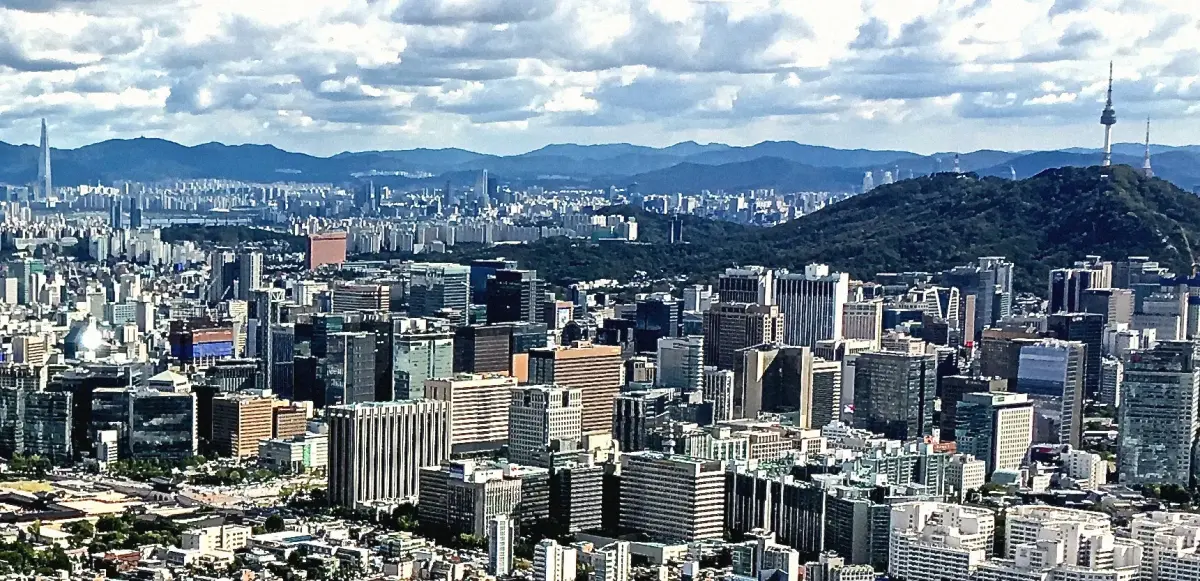
In Seoul, flowering trees appear around palaces, universities, and riverside parks. In Gyeongju, historic landmarks stand alongside spring gardens and quiet neighborhoods. In Busan, the season combines with coastal scenery and the city’s hillsides.
Jinhae deserves special mention, as large numbers of visitors arrive every year during the blooming season. Yet a spring trip through South Korea does not need to revolve around a single destination. It can be just as interesting to observe how spring unfolds in different parts of the country.
Spring on Jeju Island
Jeju Island is often one of the first places in South Korea where spring arrives.
Flowers bloom earlier, trees turn green sooner, and hiking routes become active before much of the mainland.
What makes spring on Jeju particularly interesting is the variety of landscapes. Within a single day, it is possible to see the coastline, volcanic terrain, rural roads, and Hallasan, the mountain that rises above the island.
Because of this, a spring journey on Jeju rarely follows only one route.
Spring Festivals and Seasonal Events
As spring arrives, festivals and local celebrations begin to appear throughout the country.
Some focus on flowering trees, while others are connected to local traditions or cultural events. Temporary markets, outdoor performances, and seasonal gatherings become common in many cities.
Many of these events last only a few days, which means that every spring journey through South Korea ends up looking slightly different from the last.
What Changes in May
For many travelers, spring is associated only with the cherry blossom season. May reveals a different side of the year.
By this time, most trees are covered in dense green leaves. Mountains become noticeably brighter, and hiking routes take on a different character.
Crowds around the most popular blossom-viewing locations begin to disappear, and both cities and natural landscapes settle into a calmer rhythm. Spring continues, but it looks very different from the season that defined April.
Travel Itinerary
Days 1–3: Seoul
Begin with walks through springtime parks, palace grounds, riverside promenades, and neighborhoods where flowering trees blend naturally into daily urban life.
Days 4–5: Bukhansan
Spend several days exploring the mountains near Seoul and experience hiking routes that are popular with local residents.
Days 6–7: Gyeongju
Visit one of South Korea’s most historic cities, where temples, parks, and ancient landmarks become part of a slower-paced spring journey.
Days 8–10: Busan
Continue south to the coast, exploring seaside landscapes, hillside neighborhoods, temples, and the atmosphere of spring in one of the country’s largest cities.
Days 11–13: Jeju Island
Finish the journey on Jeju, where spring often arrives first. Coastal roads, volcanic landscapes, and routes around Hallasan offer yet another perspective on the season in South Korea.