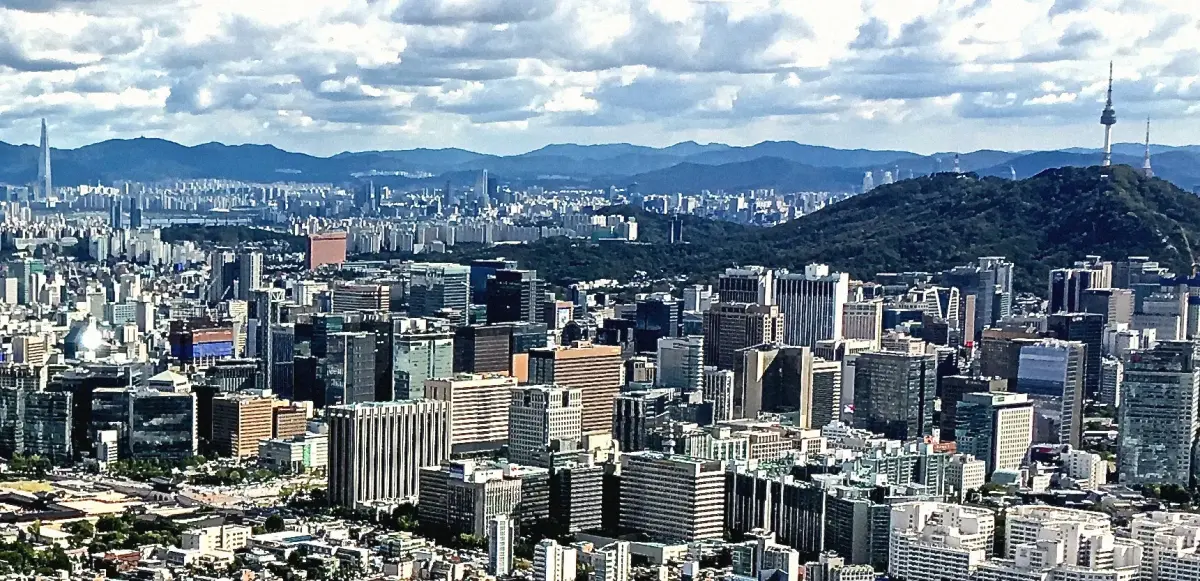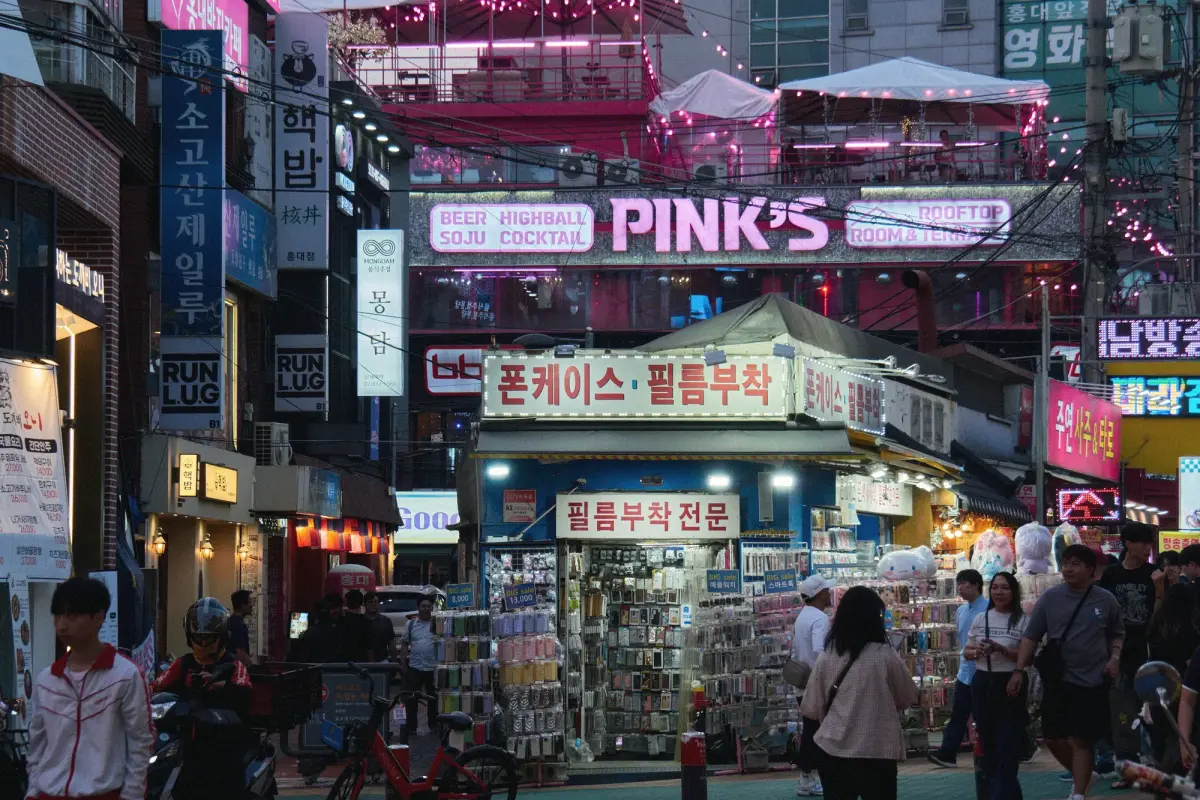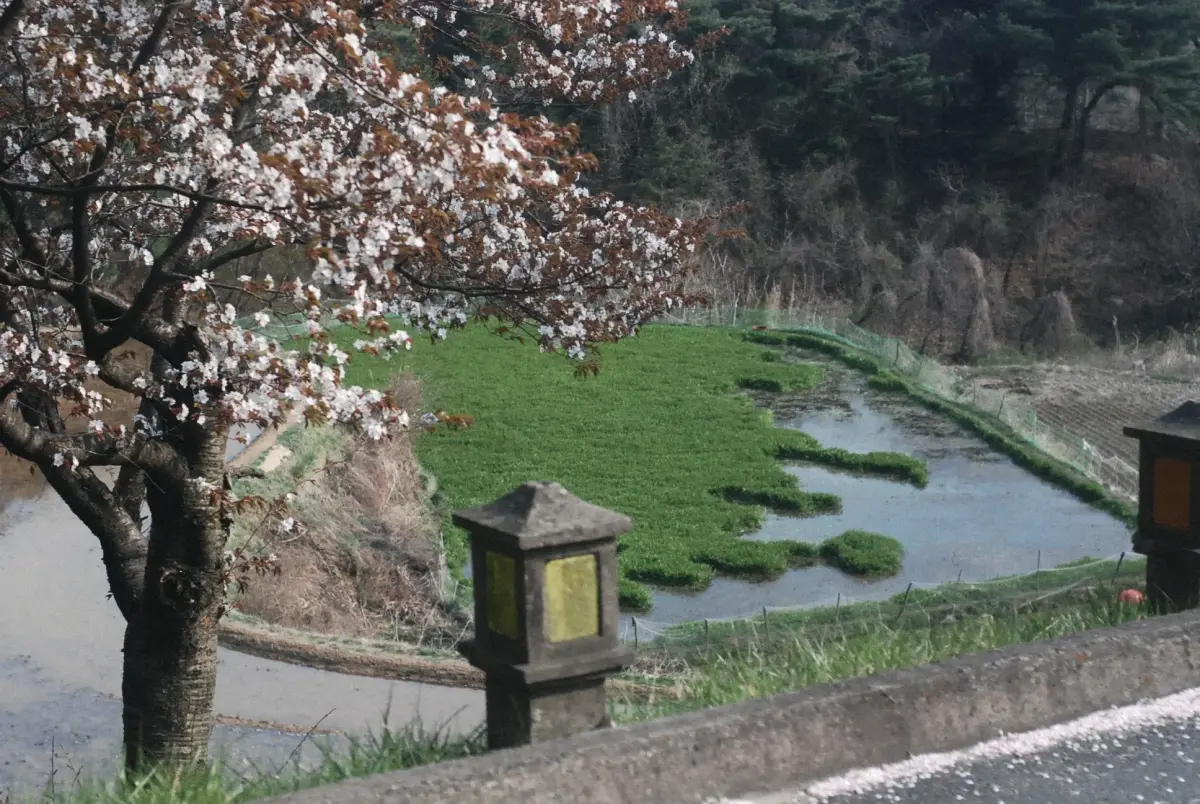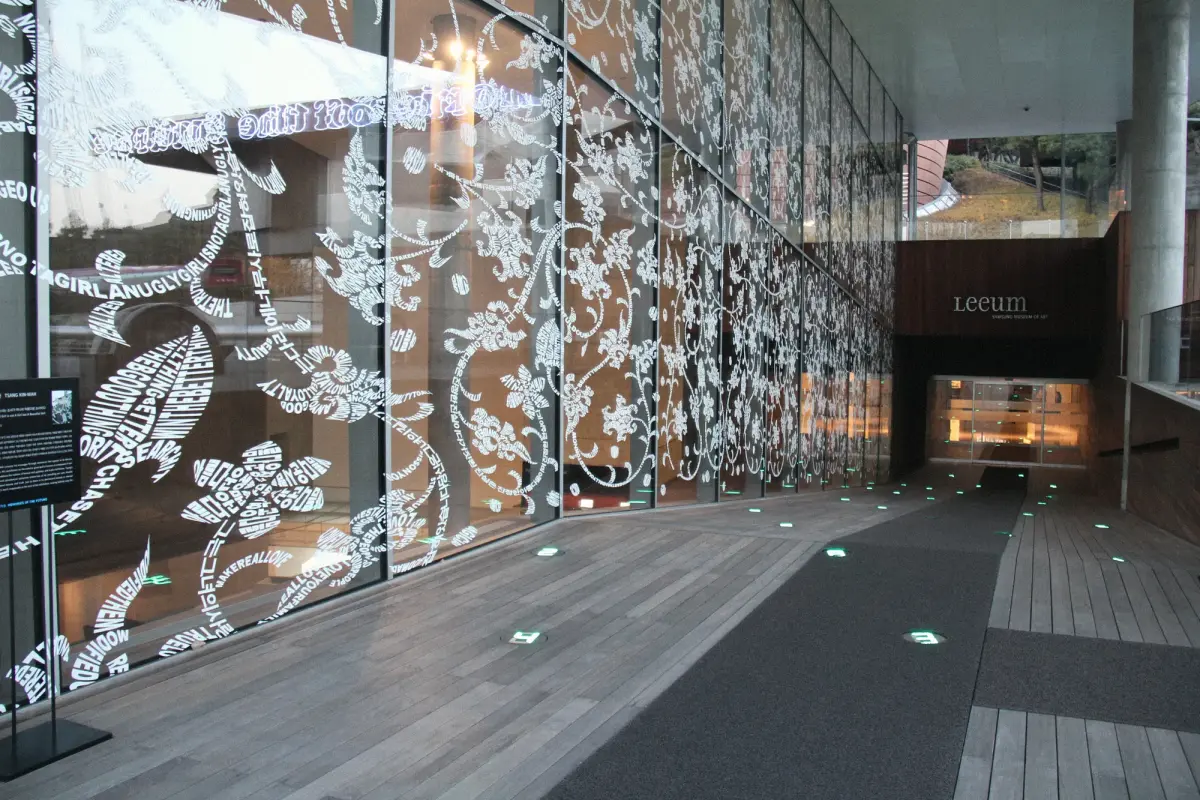
A photograph does a good job of showing an object. It captures the shape of a building, the color of its materials, and details of its façade. But some architecture exists beyond the boundaries of its walls.
Certain structures in South Korea are experienced through the distance leading to them, the road that approaches them, the surrounding landscape, the weather, the light, and even the season. In these places, the building itself becomes only one part of a much larger composition. Mountains, water, fog, open space, and the horizon contribute as much to the experience as stone, wood, concrete, or steel.
For that reason, some of the country’s most interesting architectural sites reveal themselves only when visited in person.
Architecture That Becomes Part of the Mountains
Many of South Korea’s most memorable architectural complexes are located not in cities but among mountain slopes. One of the best examples is Bulguksa Temple in Gyeongju.
Photographs usually focus on stone stairways, pavilions, and traditional tiled roofs. On site, attention gradually shifts elsewhere. The temple becomes part of a larger mountain landscape. The approach passes through wooded terrain, the elevation changes continuously, and individual structures appear one by one rather than all at once.
Other mountain temples across the country create a similar experience. Here, architecture does not separate people from the landscape. Instead, it becomes one of its components. The boundary between nature and built space is far less distinct than photographs suggest.
Where to find these spaces:
— Bulguksa Temple, Gyeongju — Beomeosa Temple, Busan — Haeinsa Temple, Hapcheon — Magoksa Temple, Gongju
Architecture That Works with Light
Some buildings change not from season to season but within the course of a single day. One of the most well-known examples is Museum SAN in Gangwon Province.
The museum itself appears relatively restrained. The real transformation comes from light. At different times of day, walls, courtyards, walkways, and reflective surfaces take on entirely different qualities. At one moment the space feels open and expansive. A few hours later it becomes quieter and more introspective.
Similar effects can be found in other contemporary museums throughout South Korea. Architects frequently treat natural light as a central element of the design rather than simply a way to illuminate interiors.
Where to find these spaces:
— Museum SAN, Wonju — Yumin Art Nouveau Collection, Jeju — Jeju Museum of Art — Gyeonggi Museum of Modern Art, Ansan
Architecture of Great Distances
Architecture is usually viewed from close range. Some structures, however, are difficult to understand from a single viewpoint.
Incheon Bridge is a good example. It cannot be fully appreciated while standing near one of its supports. Its scale becomes clear only through movement. The length of the structure, the distance between its elements, and its relationship with the sea reveal themselves gradually.
Other large infrastructure projects across the country create a similar impression. Here, architecture is connected less to façades and more to distance, movement, and the experience of passing through space.
Where to find these spaces:
— Incheon Bridge — Busan Harbor Bridge — Geoga Bridge — Mokpo Marine Cable Car area
Architecture of the Future Beyond Seoul
Contemporary architecture in South Korea extends far beyond the capital. Across the country, museums, cultural centers, and public spaces continue to experiment with form and spatial organization.
What makes many of these projects interesting is their location. Rather than being surrounded by dense urban development, they often stand within open landscapes. As a result, the eye takes in not only the building itself but also its relationship with the sky, nearby hills, the sea, or the countryside around it.
In these settings, the importance of context becomes especially clear.
Where to find these spaces:
— Busan Cinema Center — Ulsan Grand Park architectural complexes — Asia Culture Center, Gwangju — Museum of Contemporary Art, Cheongju
Architecture of Traditional Pavilions
Traditional Korean architecture was rarely designed around monumentality. Instead, great attention was given to the placement of buildings within their surroundings.
In many palace and garden pavilions, views were carefully planned. Windows framed specific landscapes. Ponds reflected the structures. Pathways gradually altered perspective as visitors moved through them.
Because of this, a pavilion is often experienced less as an independent building and more as a point from which to observe the surrounding landscape. This quality is difficult to capture in a single photograph.
Where to find these spaces:
— Donggung Palace and Wolji Pond, Gyeongju — Soswaewon Garden, Damyang — Ojukheon House, Gangneung — Seongyojang Estate, Gangneung
Architecture That Changes with Nature
Some places in South Korea are impossible to separate from the seasons. In spring, flowering trees appear around buildings. During summer, architecture becomes partially hidden behind dense greenery. In autumn, surrounding hillsides contribute to the overall palette of colors. In winter, the focus shifts to the forms of buildings and the lines of the landscape.
This is particularly noticeable in mountain regions. The same temple, museum, or pavilion can feel completely different depending on the season and weather conditions.
Fog, rain, bright sunlight, and snow are not external factors here. They become part of the architectural experience itself.
Where to find these spaces:
— Temple complexes in Seoraksan National Park — Naejangsan area — Hallasan foothills, Jeju — Mountain temples of Jirisan
A Route for Exploring South Korea Through Architecture
This journey is best organized not around architectural styles but around different ways of experiencing space.
A good starting point is Gyeongju, where architecture is closely connected to landscape and topography. From there, continue to Wonju to see how contemporary buildings work with light. Then explore the large infrastructure projects around Incheon and Busan. The next stage can focus on modern cultural centers outside the capital. Finally, end the route in the country’s mountain regions, where architecture constantly interacts with weather, forests, and the changing seasons.
Such a journey reveals not simply a collection of buildings, but a range of relationships between architecture and the spaces that surround it. Those relationships are what make South Korea particularly rewarding to explore through architecture.