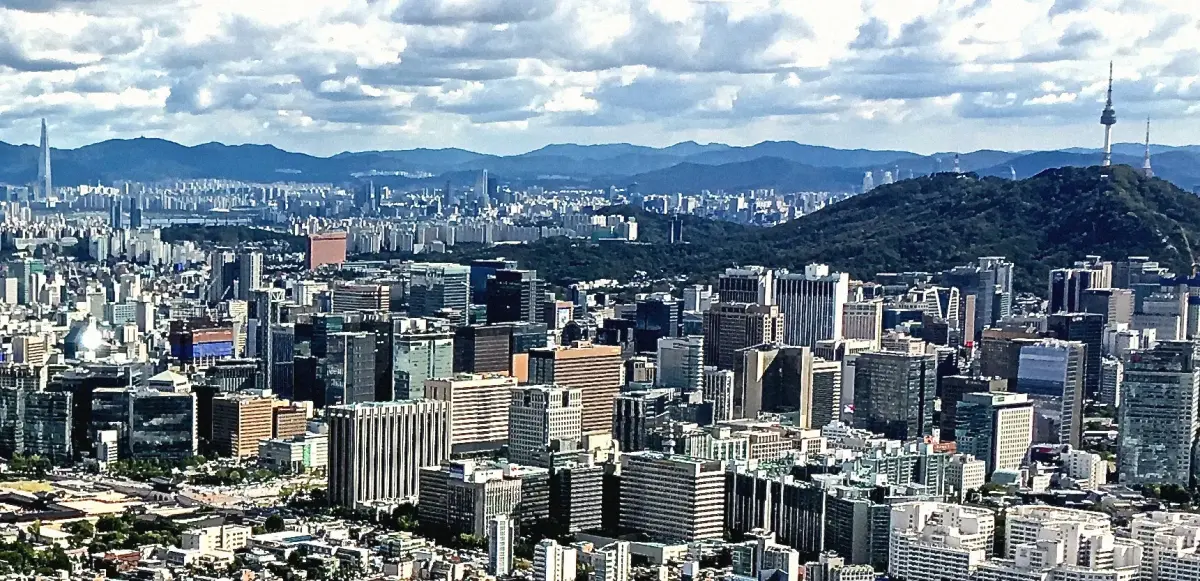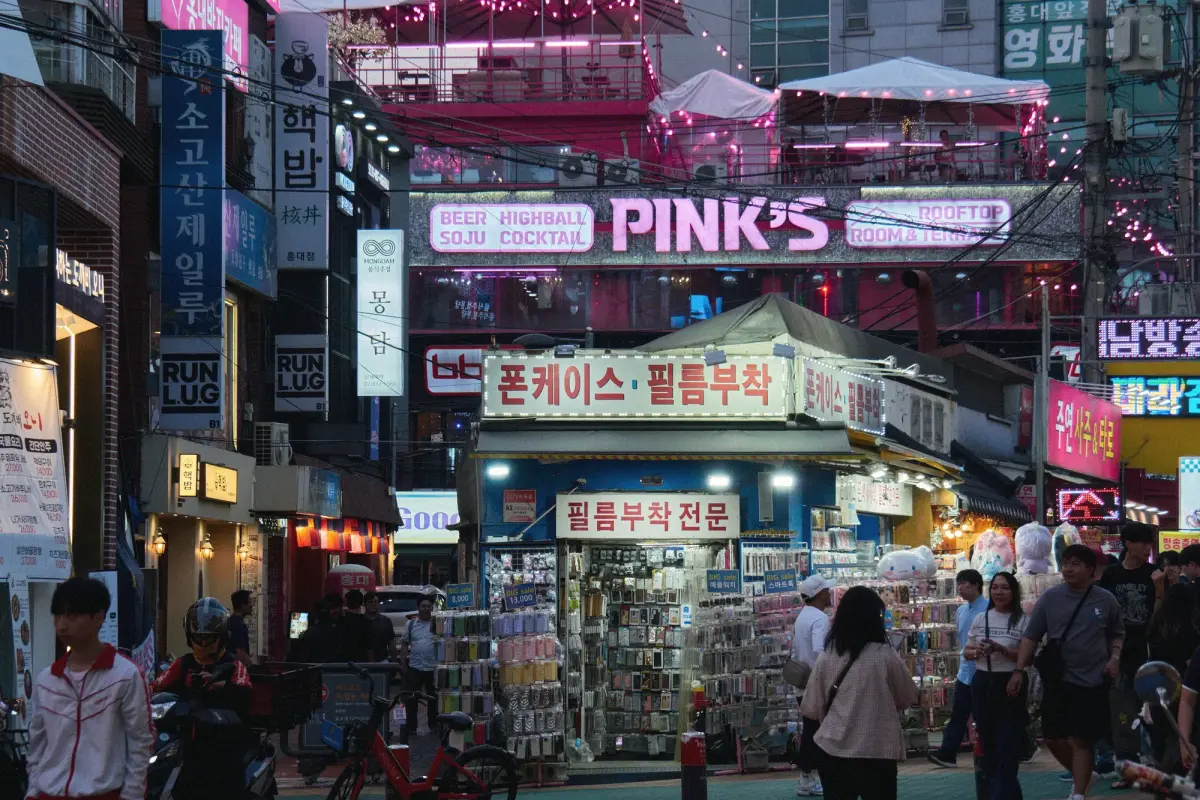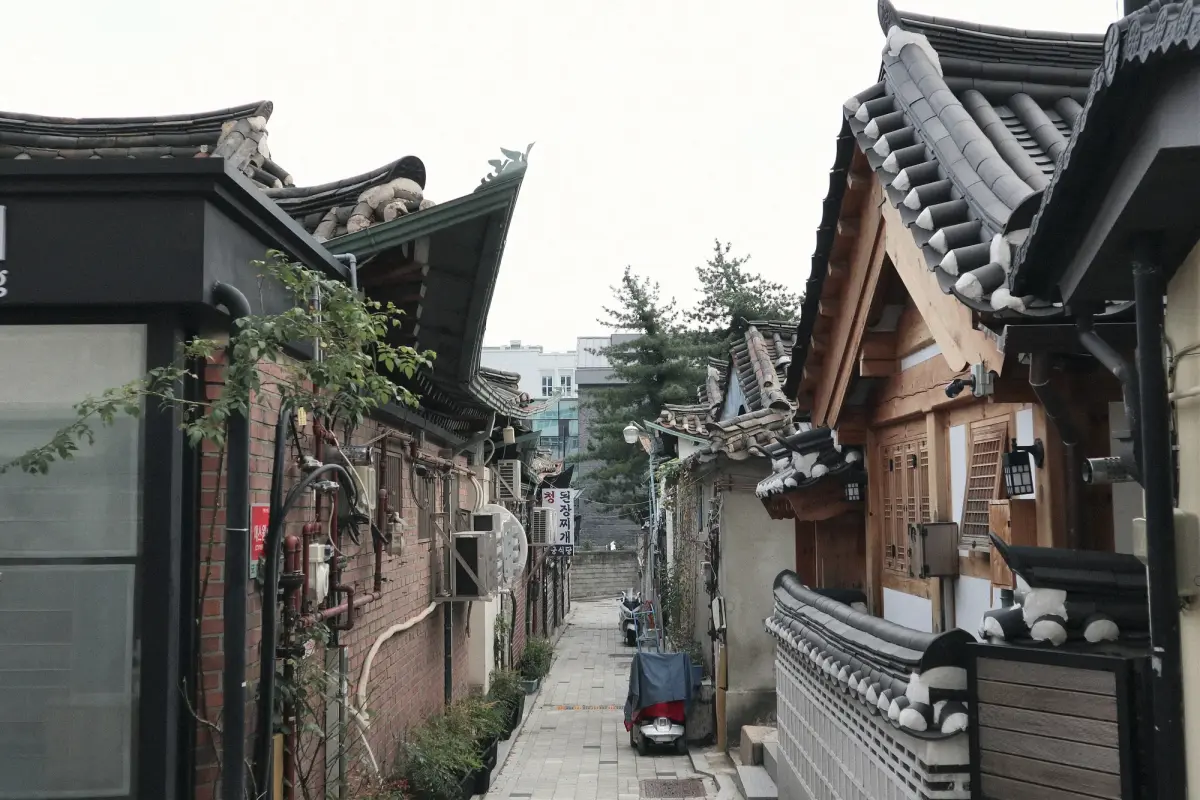
When people talk about South Korea, they usually mention skyscrapers, high-speed trains, K-pop, K-dramas, and cutting-edge technology. All of these things are real, and they certainly leave an impression. Yet many travelers begin to notice something entirely different within their first few days in the country.
South Korea stands out not only because of large-scale projects, but also because of countless practical decisions that make everyday life easier. These are rarely the reasons people buy a plane ticket to visit the country. Travel guides seldom mention them. Yet together they create a feeling that cities here have been designed around the needs of the people who actually use them.
Some of these solutions seem so obvious that they raise a simple question: why is this not done everywhere?
Shade Exactly Where People Need It
Summer in South Korea can be both hot and humid. High temperatures are one thing, but the humidity often makes the heat feel even more intense. Under these conditions, even a few minutes spent waiting at a traffic light can become uncomfortable.
That is why some cities have installed shade structures and large umbrellas near major pedestrian crossings. They are placed precisely where people stand while waiting for the signal to change. The idea is remarkably simple, yet its benefits become obvious during the hottest months of the year.
It reflects an interesting approach to urban planning. Instead of expecting people to adapt to the environment, the environment adapts to people.
Streets That Warm Themselves in Winter
While South Korea is known for hot summers, parts of the country also experience snowy winters.
On steep hills, stairways, and selected pedestrian routes, heated pavement systems help prevent ice from forming before it becomes dangerous. Their purpose is not comfort but safety.
Many visitors are surprised when they first encounter this feature. Rather than constantly dealing with slippery surfaces, some cities reduce the problem before it appears. It is a clear example of solving an issue at the design stage rather than reacting afterward.
The Stream That Was Returned to the City
One of South Korea’s most famous urban projects is Cheonggyecheon.
Today, it is a long public space in the center of Seoul filled with water, walking paths, and places to relax. A few decades ago, however, a major roadway occupied this location.
Instead of building more infrastructure for cars, the city chose to restore the stream and create a space for people. It is now difficult to imagine central Seoul without it. Office workers spend their lunch breaks here, residents come for evening walks, and travelers use it as a quiet escape from the surrounding city.
The project demonstrates that urban development is not always about adding something new. Sometimes it means removing something old.
The Space Beneath Bridges That Does Not Go to Waste
In many cities around the world, the areas beneath bridges and elevated roads become neglected spaces that people pass through as quickly as possible.
South Korea often approaches these places differently. Beneath bridges, it is common to find sports courts, cycling routes, recreational areas, tennis facilities, and public gathering spaces.
This approach changes the way cities feel. Areas traditionally viewed as unusable become active parts of everyday life. As a result, dense urban environments offer more functional public space than visitors often expect.
Mountains Begin Almost Inside the City
South Korea is one of the most mountainous countries in the world. What surprises many visitors is not simply the number of mountains, but how closely they are connected to daily life.
In many cities, hiking trails begin only minutes after stepping off a subway train or bus. Residents do not need to organize a major expedition to spend time in nature.
As a result, hiking becomes part of an ordinary week rather than a special event. For travelers, the proximity of forests and mountains to urban neighborhoods often feels unusual and refreshing.
Cities That Prepare for Summer in Advance
Hot weather arrives every year, and South Korean cities prepare for it accordingly.
During the warmest months, misting systems can be found in public areas to help cool the air. Additional shaded spaces and seasonal structures often appear to make outdoor environments more comfortable.
Individually, these measures may seem small. Together, however, they make a noticeable difference in how people experience the city during summer.
Public Restrooms as Part of Urban Culture
This is not something that usually appears in travel brochures, yet it has a major impact on comfort during a trip.
Public restrooms are commonly available in parks, markets, tourist districts, walking routes, and many public spaces throughout South Korea. For local residents, this is simply normal. For many visitors, it becomes an unexpectedly pleasant surprise.
The difference is especially noticeable during long days of sightseeing or while exploring nature trails. Comfort is built into the infrastructure rather than left to chance.
Why These Things Are More Memorable Than Skyscrapers
Most travelers come to South Korea for famous landmarks, food, culture, and modern cityscapes. After a few days, however, many begin paying attention to something else.
They notice the shade at intersections, the thoughtfully designed public spaces, the easy access to nature, the solutions for heat and winter weather, and the way even overlooked corners of the city are put to use. Each detail may seem small on its own, but together they create the feeling of a country where comfort is not treated as an extra feature.
Perhaps that is why many memories of South Korea are shaped not only by what people saw, but also by how easy and pleasant it felt to move through the city every day.