It is hard to imagine a city without streets, houses, or public squares. Yet in Laos, there is a place where all of these were replaced by vast limestone caves.
During the war, around twenty thousand people transformed Vieng Xai into a real underground city. Families lived here, hospitals and schools operated, political decisions were made, and one of the caves even housed a theatre. For years, an entire community carried on its daily life inside the mountains.
When the Mountain Became Home
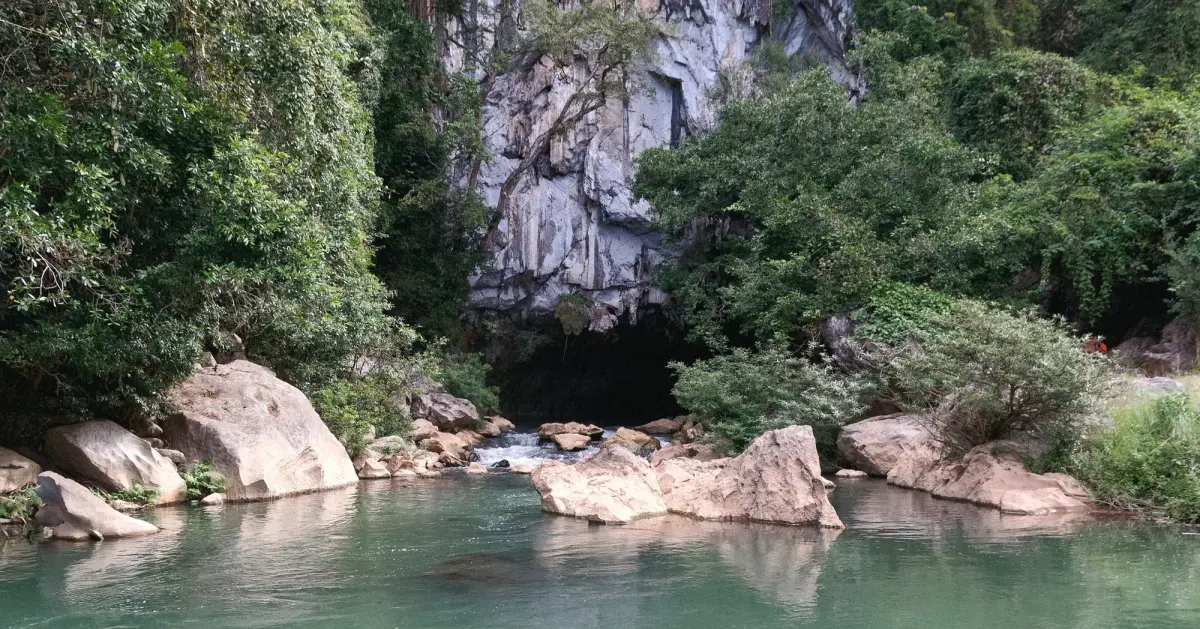
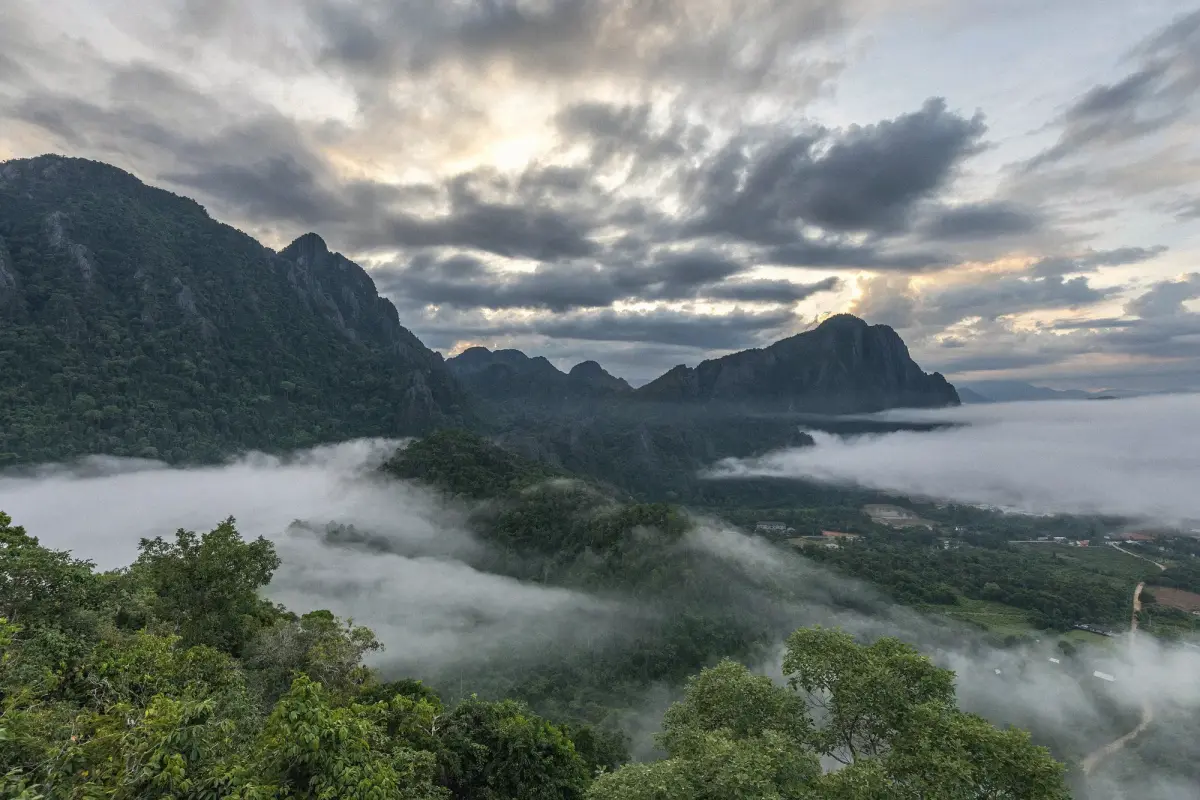
Vieng Xai lies in northeastern Laos, surrounded by hundreds of limestone karst hills. Under normal circumstances, these caves were simply natural formations. During the second half of the twentieth century, however, they took on an entirely different role.
Throughout the Laotian Civil War and the heavy bombing campaigns, Vieng Xai became one of the most important strongholds of the Pathet Lao. To protect both civilians and the country’s leadership, the caves were transformed into a fully functioning city capable of operating almost entirely underground for years.
These Were Not Shelters, but a Real City
When people hear about cave living, they often imagine a few temporary hideouts. Vieng Xai was something entirely different.
Inside the caves were homes, kitchens, food storage areas, hospitals, schools, workshops, and government offices. Some caves even contained printing presses, radio stations, and conference rooms where important political decisions were made.
An entire city had simply moved beneath the mountains.
Even the Theatre Was Underground
One of the most surprising parts of Vieng Xai was its theatre. Despite the constant threat of air raids, people continued to attend performances, listen to music, and gather for cultural events.
This reveals something remarkable about the city. The goal was not merely survival. People worked to preserve education, culture, and a sense of normal life, even while living under the constant danger of war.
A City Hidden in Plain Sight
Perhaps the most extraordinary feature of Vieng Xai was how invisible it remained.
From the outside, visitors would see little more than green limestone hills. Almost all daily life unfolded inside the mountains. Many cave entrances were concealed by vegetation, while paths and tunnels connected different sections of the underground settlement, allowing people to move around with greater safety.
It was a city that had become part of the landscape itself.
Today You Can Walk Through It
After the war, most residents returned to ordinary life, but many of the caves have been carefully preserved.
Today, visitors can walk through the same chambers where families once lived, explore former hospitals and schools, and step inside the cave theatre. Rather than reconstructed exhibits, these are the authentic places where thousands of people spent years of their lives beneath the mountains.
Practical Information
Where It Is
Vieng Xai is located in Houaphanh Province in northeastern Laos, close to the border with Vietnam.
How to Get There
The easiest way to visit is from Sam Neua, which lies about 30 kilometres away. From there, you can reach the caves by car, motorbike, or as part of a guided tour.
How Much Time You Need
Allow three to four hours to explore the cave complex. If you are interested in the history of Laos, it is easy to spend most of the day here.
When to Visit
The best time to visit is between November and March, when the weather is dry and temperatures are comfortable for walking.
What to Bring
The caves are noticeably cooler than the outside air, so bringing a light jacket is a good idea. Comfortable shoes are also recommended, as the route includes stairways and natural walking paths.
Is It Worth Visiting?
Vieng Xai is an unforgettable destination for travellers who want to discover more than beautiful landscapes. It is one of the very few places in the world where you can explore an entire city that functioned inside mountains for years. Rather than a single wartime bunker, you will find a remarkable underground world where thousands of people continued to live, work, learn, and create while history unfolded above their heads.