Some countries impress at once. Their tallest towers, largest waterfalls, longest beaches or most famous monuments become the obvious reason to visit.
Czechia leaves a different kind of impression. It does not rely on records. Instead, it reveals itself gradually: beautiful places do not end with the first excursion, historic buildings remain part of everyday life, and the country proves far richer than its size might suggest.
Perhaps that is why many travellers remember Czechia not as the home of a single defining landmark, but as a place that kept offering quiet, unexpected discoveries.
Beyond Prague
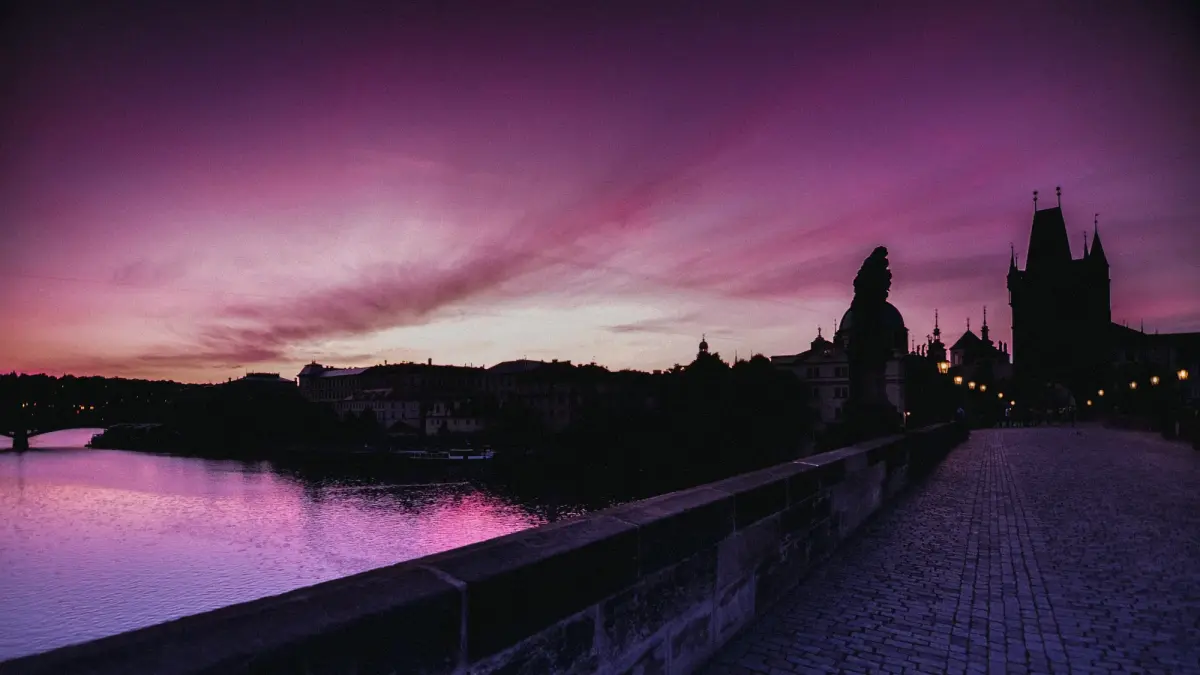
Prague is rightly considered one of Europe’s most beautiful cities, and many first-time visitors plan their journey as though everything important must be found there.
Yet one of Czechia’s first surprises begins when the train leaves the capital.
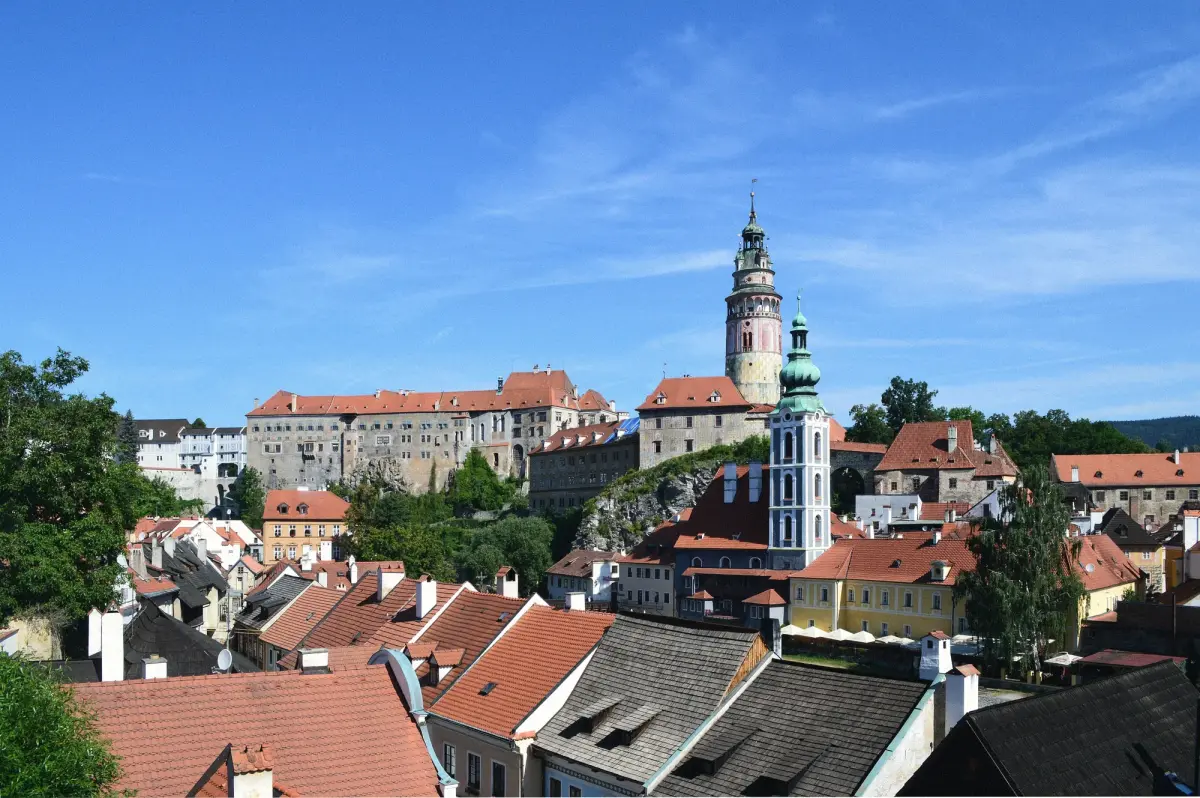
Within a relatively short journey, you may arrive in a town whose historic square possesses the atmosphere of a far larger European city. Travel a little farther and a castle may rise above vineyards. Elsewhere, old houses line streets not as decorative remnants, but as buildings still woven into ordinary urban life.
Telč, Český Krumlov, Litomyšl, Mikulov and Olomouc are only a few examples of places that rarely provide the main reason for a first visit to Czechia, yet often become some of its most vivid memories.
Gradually, Prague begins to feel less like the culmination of the journey and more like its beginning.
The Country Feels Far More Varied Than Its Size Suggests
On a map, Czechia appears compact.
Once you begin travelling, however, your sense of scale changes.
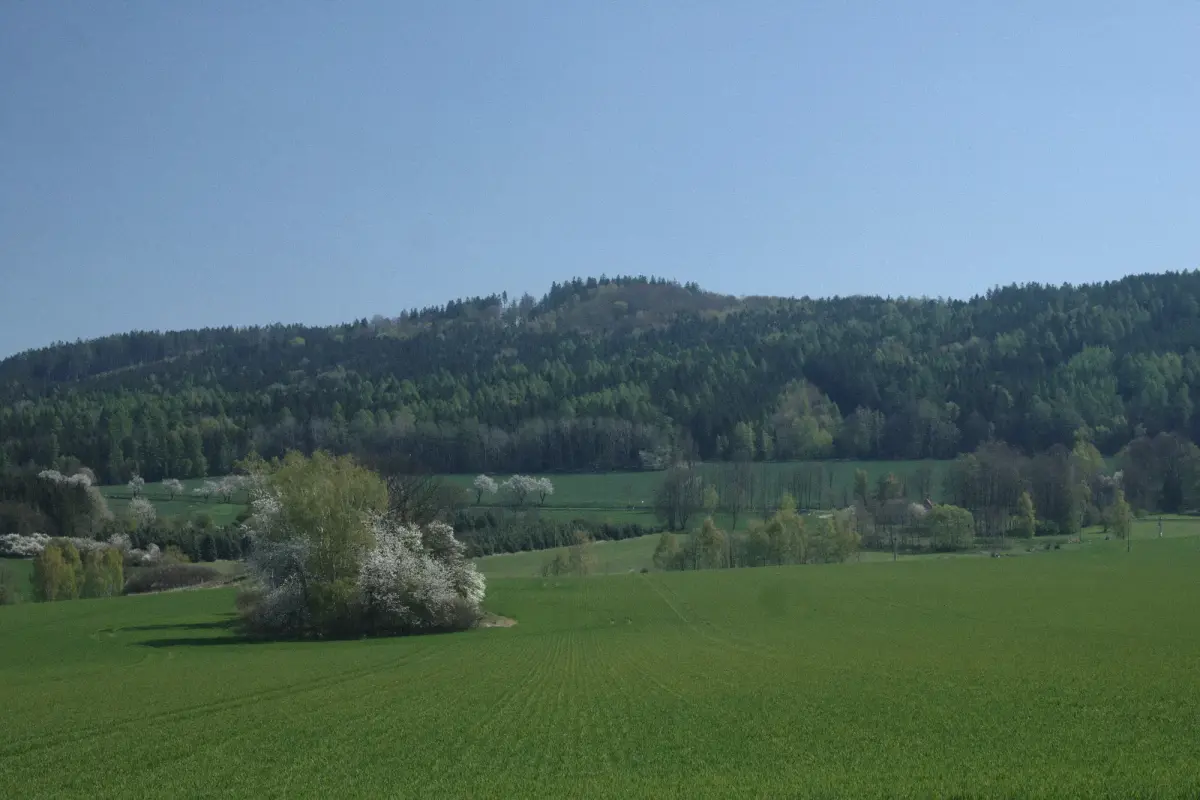
In a single day, you might drink coffee on a historic square, climb towards a medieval castle, walk through a rock labyrinth, pass through the vineyards of South Moravia and end the evening in a small town whose name meant nothing to you only a week earlier.
What is striking is not simply the variety, but the proximity. The landscape and character of a place can shift quickly, even when the distances themselves remain modest.
History Does Not End at the Museum Door
In many countries, history is encountered mainly in museums. Historic buildings survive as monuments to the past, while contemporary life unfolds elsewhere.
In Czechia, these worlds are often closely intertwined.
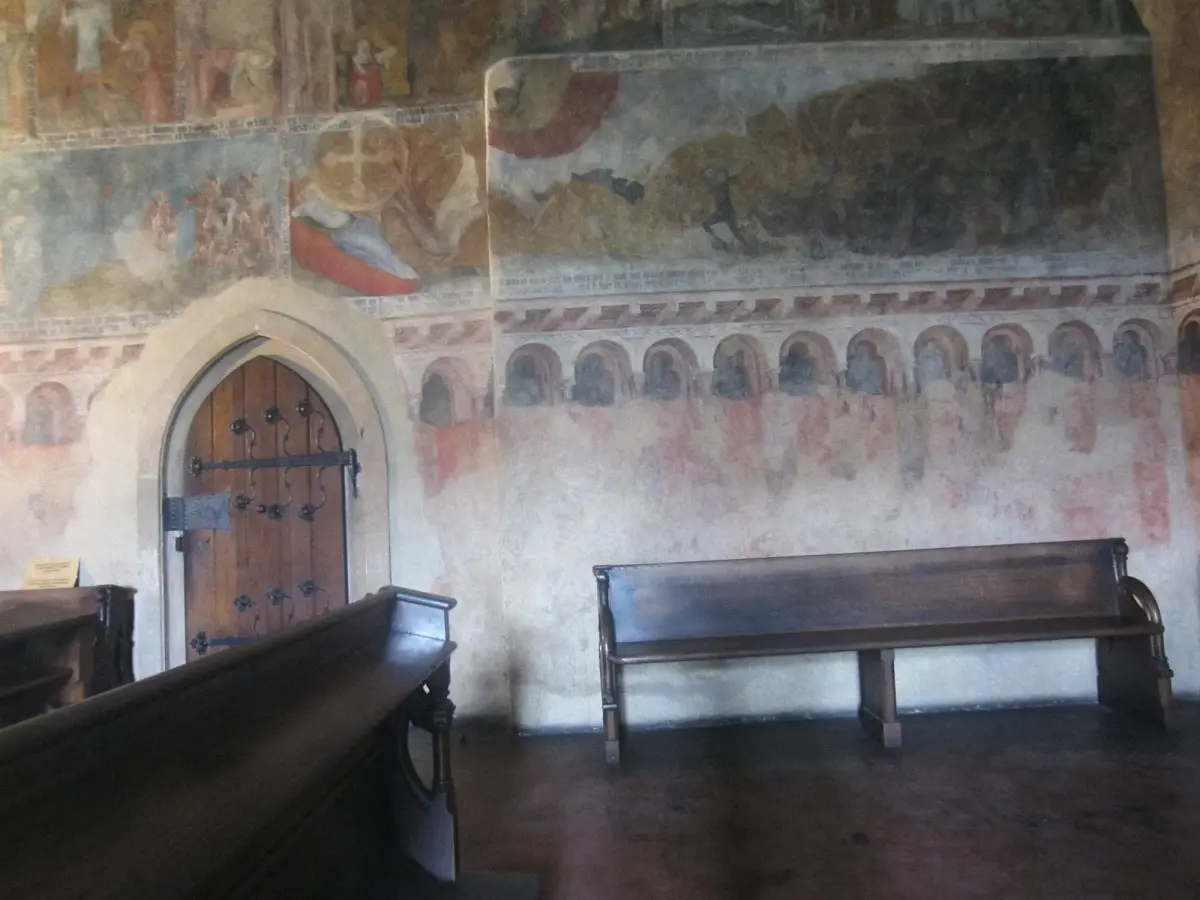
Castle parks serve as places for evening walks. Cafés and bookshops occupy old town squares. Former palaces host concerts, exhibitions and local festivals. Monasteries stand beside residential streets, and medieval lanes continue to function as ordinary parts of modern towns.
Inside a castle, the same sense of continuity remains. Family libraries, kitchens, theatres, children’s rooms and private studies make the past feel less abstract. They reveal the routines of people who once called these places home.
History here often feels not sealed away, but carried forward into the present.
The Strongest Impressions Are Not Always Found in the Best-Known Places
Before a journey, most of us make a list of essential sights. That is natural. Yet Czechia repeatedly rewards those willing to leave a little space beyond the plan.
Some of the warmest memories may come from a quiet square with few visitors, a small castle garden discovered by chance, or a town whose name was difficult to pronounce only days before. They may come from a road that unexpectedly leads towards vineyards, an old monastery or a viewpoint above a river.
Such discoveries are difficult to rank or measure. They rarely occupy the first line of a guidebook, yet they often remain longer in the memory than more celebrated places.
After the journey, it is not only the famous landmarks that return to mind. More often, it is a quiet square, a garden found by accident, a castle on a neighbouring hill or a town whose name meant nothing before the trip. It is from moments like these that a more intimate sense of Czechia begins to form.
If You Would Like to See Czechia This Way
Do not limit your trip to Prague. Even with little time, try to spend one or two days in another city or region. Many travellers first encounter the quieter rhythm of Czechia beyond the capital.
Do not try to visit as many castles as possible. Choose two or three that are genuinely different: perhaps a medieval fortress, an aristocratic palace and a smaller residence in a lesser-known town. Their contrasts reveal far more than quantity ever could.
Leave some time unplanned. A quiet courtyard, a small park, a viewpoint or an unassuming square may stay with you as vividly as a famous attraction.
Travel between towns during the day. The view from a train or car makes it easier to understand how quickly Czech landscapes change and how closely historic towns lie to one another.
Do not leave immediately after seeing the main square. In many Czech towns, some of the most rewarding details lie just beyond it: old gardens, courtyards, fragments of fortifications, viewpoints and quiet streets that most visitors never follow.