Some countries feel like they belong in a futuristic film. At night, the glow of neon seems to linger not only on the glass facades of skyscrapers but in the air itself—a feeling many people associate with modern China.
In tropical countries, your eyes instinctively wander through the treetops, half-expecting to spot a brightly coloured parrot or a curious monkey. Even when you don’t see one, the rainforest always feels as though it is hiding something just out of sight.
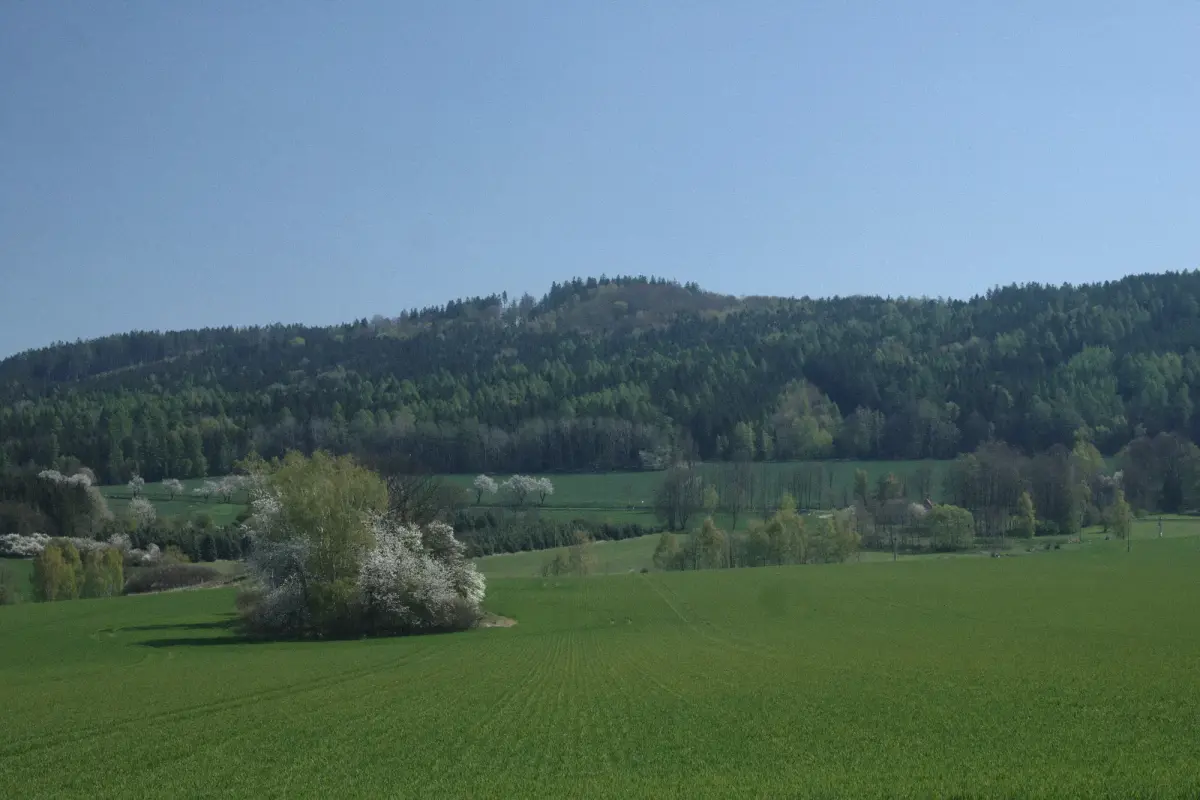
The Czech Republic creates a very different habit. Before long, you find yourself looking slightly above the horizon. Almost every hill seems to invite the same question: Is there another castle up there?
After a few days, this becomes almost automatic. That’s when another question appears—one that few people think about before visiting: Why does the Czech Republic have so many castles?
The answer is far more fascinating than it first seems.
First, Not Every “Castle” Is Actually the Same Thing
Looking at a map, it’s easy to conclude that nearly every historic building in the Czech Republic is a medieval castle. In reality, that impression is shaped as much by language as by history.
In English, the word castle is often used for many different types of historic buildings. In Czech, however, there is a clear distinction. A hrad is a fortified medieval stronghold built for defence, while a zámek is a palace or aristocratic residence designed primarily for comfort and prestige. Hunting lodges, country estates, and grand noble residences all have their own place in this architectural landscape.
As a traveller, you may describe them all simply as castles. Yet once you understand the difference, you begin to notice that they tell very different stories.
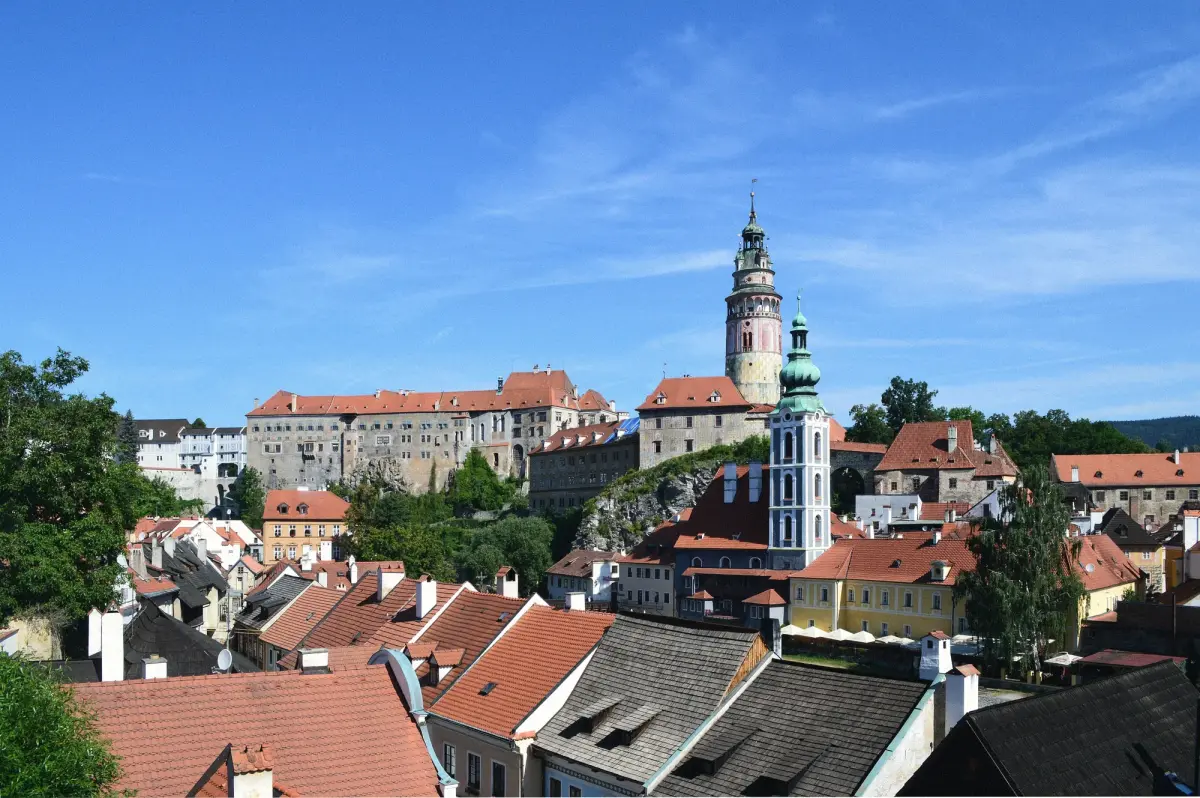
In some towns, you can stand within walking distance of both a massive medieval fortress and an elegant Baroque palace. To most visitors, they are both castles. To a Czech, they represent entirely different chapters of the country’s history.
The Czech Republic Rarely Replaced Its Castles—it Reinvented Them
This is perhaps the most important reason why castles are so abundant today.
In many parts of Europe, medieval fortresses gradually lost their purpose. Some fell into ruin, while others were demolished to make way for newer buildings.
The Czech lands often followed a different path.
Instead of being abandoned, castles were transformed. A medieval fortress became a Renaissance residence. Generations later, Baroque halls were added. In the nineteenth century, landscaped English gardens surrounded the estate. Each era left its own mark without completely erasing what came before.
The next time you visit a Czech castle, try looking at it piece by piece. The massive stone tower may date back to the thirteenth century, while the elegant façade was added hundreds of years later, and the surrounding park belongs to yet another period.
Rather than a single building, you’re looking at several centuries of history layered into one place.
One Royal Castle Was Never Enough
When people imagine castles, they usually picture kings.
In reality, a large proportion of the Czech Republic’s castles were built not by monarchs but by noble families. Powerful aristocratic dynasties owned vast estates, forests, mining operations, and entire towns. Their castles served as family homes, administrative centres, and symbols of wealth and influence.
This history remains surprisingly tangible today.
Many castles still display family coats of arms above their entrances. Portrait galleries, private libraries, hunting trophies, and richly furnished rooms reveal that these were not simply military structures or museums—they were homes where generations of the same families lived their lives.
No Two Czech Castles Tell the Same Story
After a few days of travelling through the Czech Republic, another realisation begins to emerge. The remarkable thing is not simply how many castles there are.
It is how different they are from one another.
One began as a heavily fortified stronghold. Another was designed from the outset as a luxurious palace. A third was repeatedly rebuilt by successive owners, while a fourth is less medieval than it appears—a nineteenth-century romantic vision of what the Middle Ages should have looked like.
That is why exploring Czech castles rarely becomes repetitive.
Once you understand how these buildings evolved, you begin to notice details that previously went unnoticed: where a fortress ends and a palace begins, which sections were added centuries later, and why one castle stands dramatically on a rocky hilltop while another is surrounded by peaceful gardens.
In the end, the Czech Republic is not simply a country with an extraordinary number of castles. It is a country where almost every era left behind its own architectural legacy—and, remarkably, chose to preserve much of what came before.